Back to the route Place 5 of 9

The historic centre of Horodyshche

Location being confirmed

The space of former shops, workshops and houses. In the 20th century the central part of the town was substantially rebuilt.
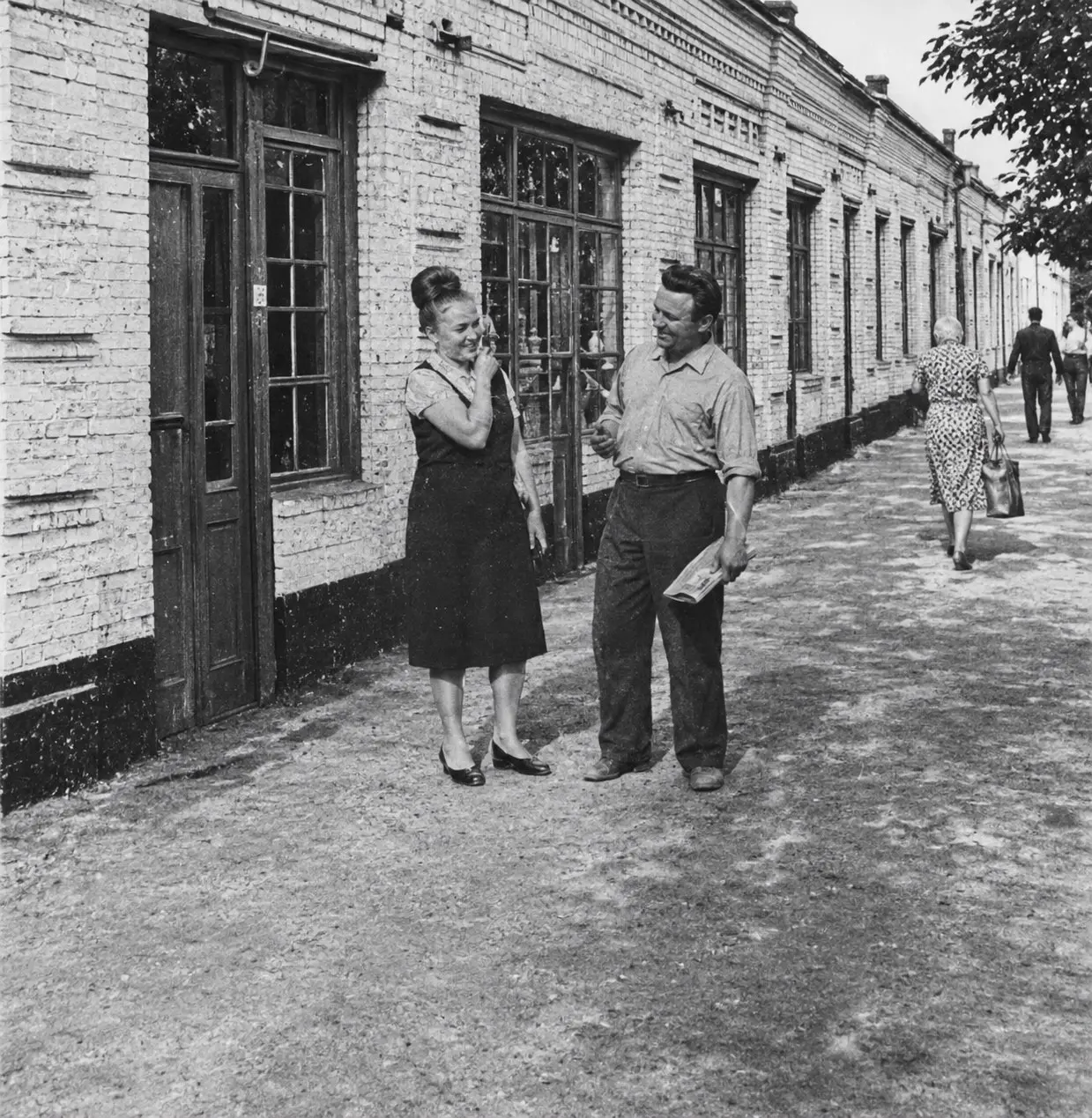
The trading row in the centre of Horodyshche, 1965. Part of the town’s historic fabric, demolished in the 1968 reconstruction of the centre.
The trading row in the centre of Horodyshche, 1965. Part of the town’s historic fabric, demolished in the 1968 reconstruction of the centre. Source: the book Horodyshche in Documents and Photographs, p. 123.

The story of this place

Before the large-scale rebuilding of the 20th century, the central part of Horodyshche looked entirely different. Along the main street, in particular on the site of present-day Peace Square and towards the bus station, stood the dwelling houses, shops and workshops of Jewish inhabitants. They were part of the town’s shared commercial and communal space.

In 1968 a large-scale reconstruction of the centre of Horodyshche took place. The old trading rows, including the former Jewish shops and workshops, were demolished, Peace Square was laid out, new roads were built and administrative buildings were erected.

The local historian Volodymyr Chos notes in his book “Horodyshche, My Native Town” (2017) that during the Cold War the town was regarded as a reserve command centre for Cherkasy Oblast in case of emergency, in particular a war between the USSR and the USA.

As a result of the rebuilding, the historic centre of Horodyshche changed substantially, and a large part of the architectural heritage of the Jewish community was lost. Today the former trading rows are recalled by archival photographs and the memories of inhabitants.
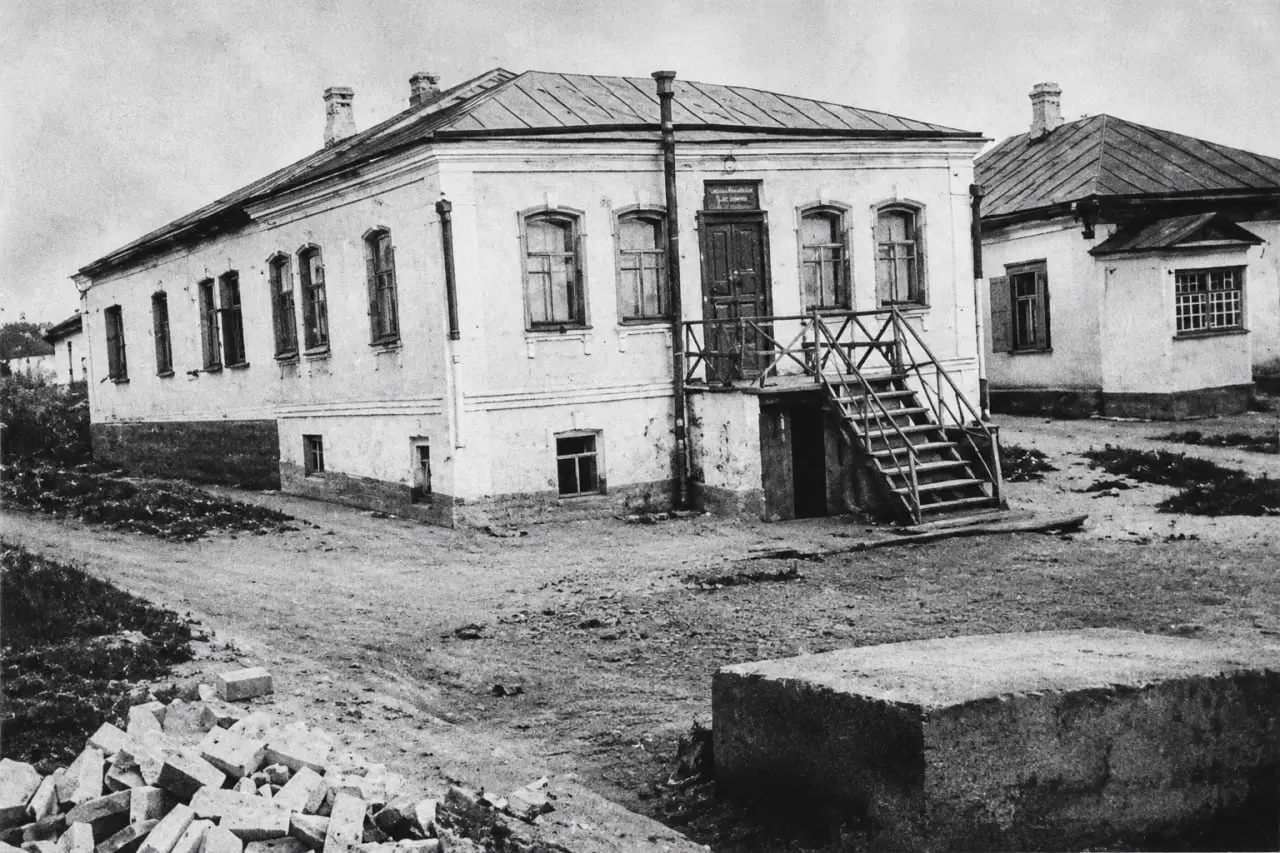
The house known in the publication as the Saltanov house, in the centre of Horodyshche, photographed during the 1968 reconstruction of the town.
The house known in the publication as the Saltanov house, in the centre of Horodyshche, photographed during the 1968 reconstruction of the town. Archival photograph.

The house of Isai Kurochka

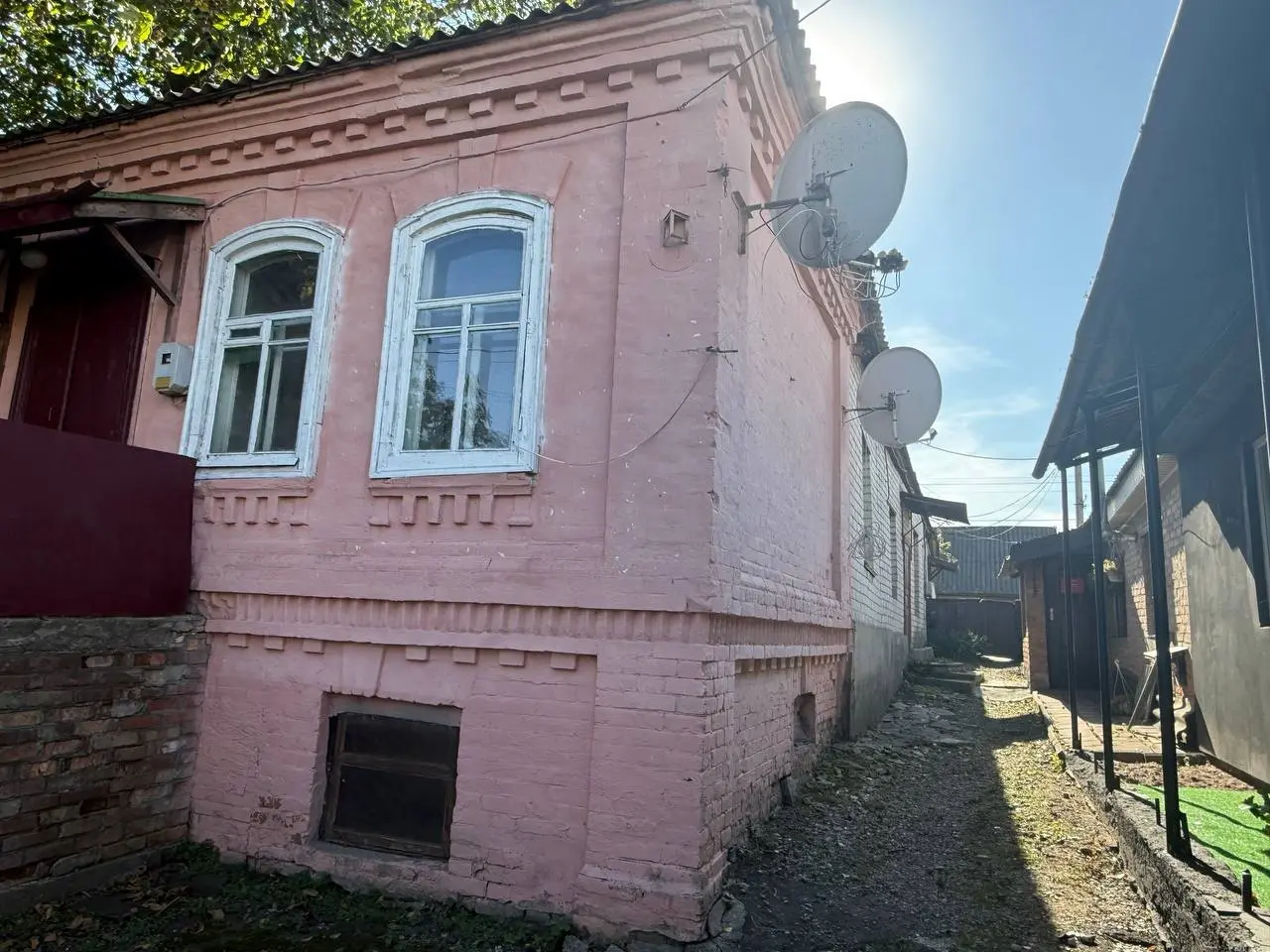
One of the surviving historic buildings of Horodyshche is known to townspeople as the Saltanov house. According to local history testimony, it was built by Isai Isaiovych Kurochka, a Jewish inhabitant of the town.

The house was intended for a large family. As the children grew up and started families of their own, it was gradually enlarged and extended.

Later Heorhii Saltanov, who married Isai Kurochka’s daughter Mariia, settled in the house. He was engaged in trade, had a wholesale warehouse and was well known in Horodyshche. Over time the house came to be called by his surname.

During the Second World War Isai Kurochka went missing. Some members of the family were evacuated and survived the war.
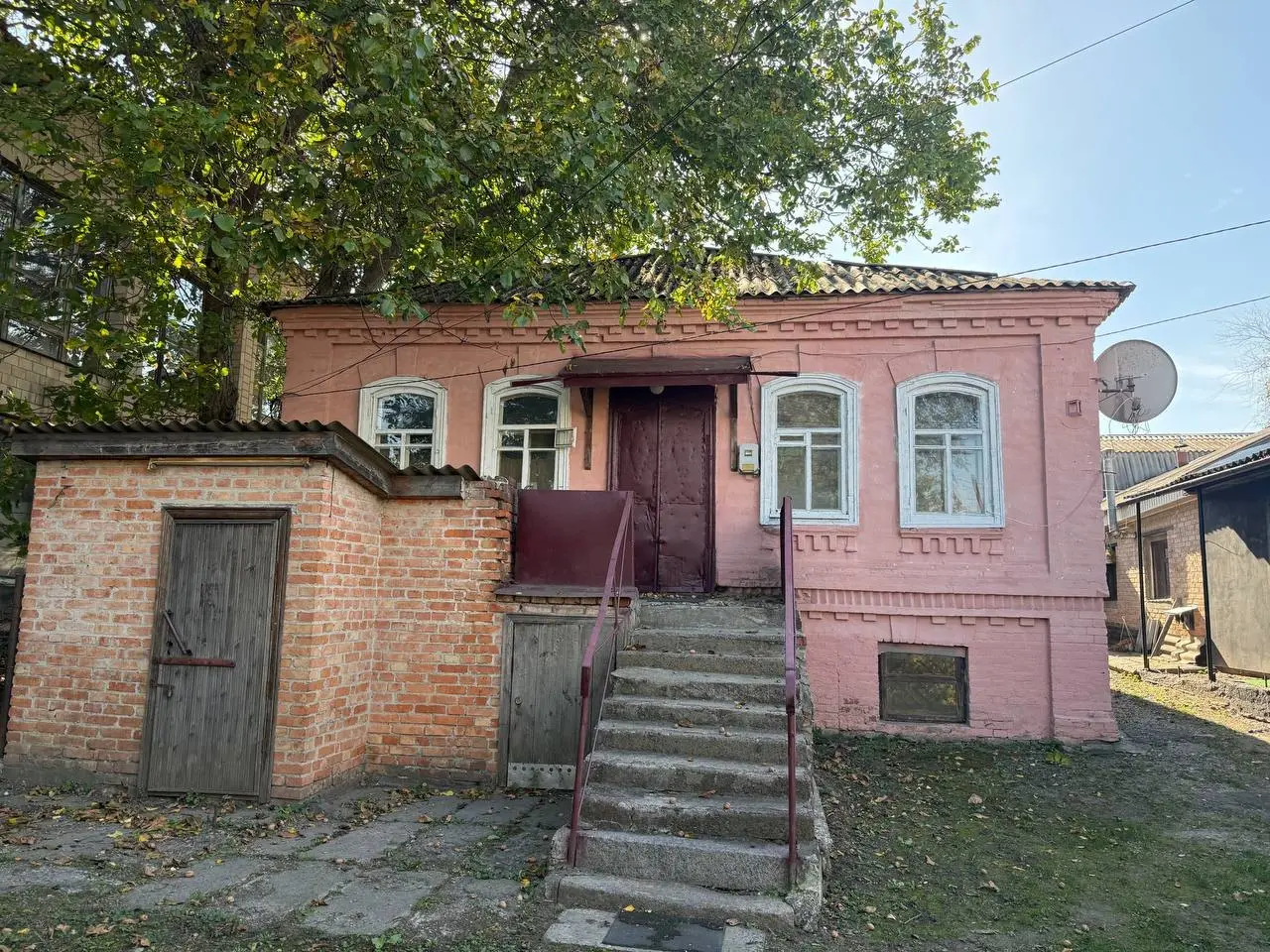
The historic building known as the Kurochka house, which survives in Horodyshche to this day. As it looks today.
The historic building known as the Kurochka house, which survives in Horodyshche to this day. As it looks today. Photo: Svitlana Liakhovets, 2026.
The historic building known as the Kurochka house, which survives in Horodyshche to this day. As it looks today.
The historic building known as the Kurochka house, which survives in Horodyshche to this day. As it looks today. Photo: Svitlana Liakhovets, 2026.

In the post-war period the building housed at various times a bakery, a sewing workshop and an art workshop. Later the house was returned to the descendants of the Kurochka family.
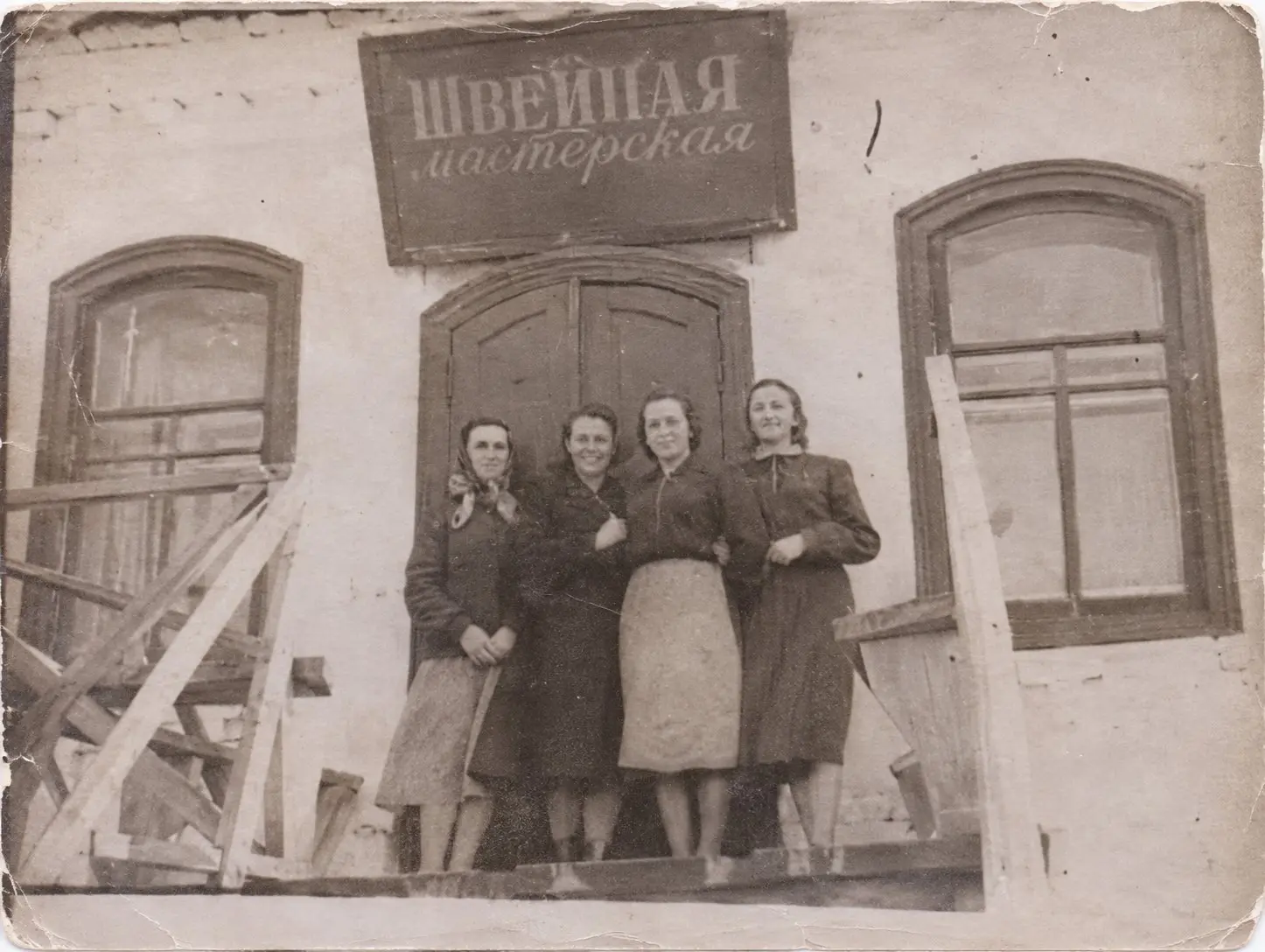
A sewing workshop in the former house of Isai Isaiovych Kurochka, also known as Heorhii Saltanov’s house. Horodyshche, the post-war period.
A sewing workshop in the former house of Isai Isaiovych Kurochka, also known as Heorhii Saltanov’s house. Horodyshche, the post-war period. Archival photograph courtesy of the Petro and Semen Hulak-Artemovsky Local History Museum, Horodyshche.

The building has survived to the present day and remains a testimony to the history of a Jewish family whose life was bound up with Horodyshche.

As told by Alla Viktorivna Sukhoruchenko, director of the Petro and Semen Hulak-Artemovsky Horodyshche Local History Museum. Recorded by Svitlana Liakhovets, 2026.

Other surviving houses in Horodyshche

“Several houses that once belonged to Jewish families have still survived in Horodyshche. They are located mainly along the former central trading street.

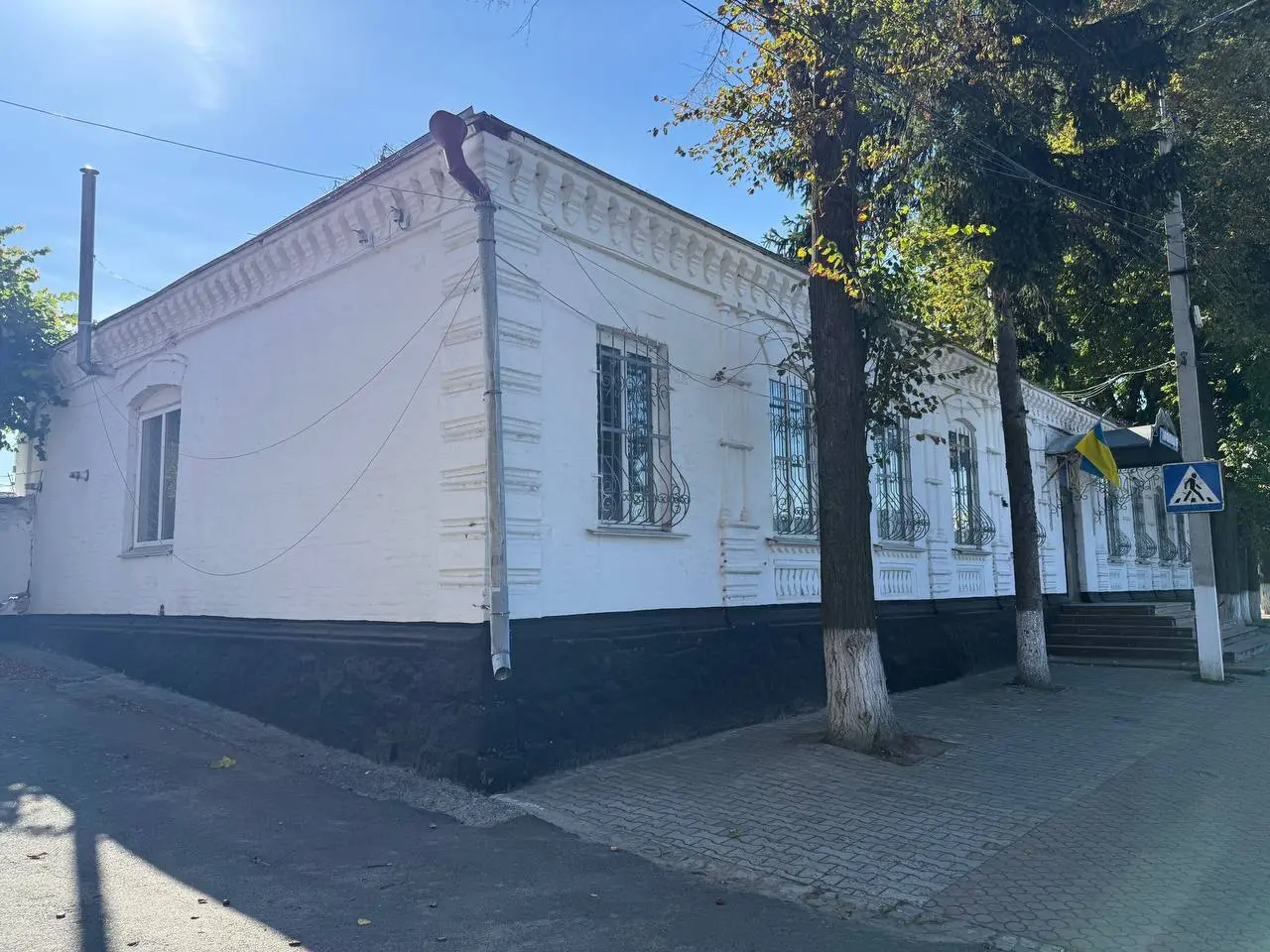
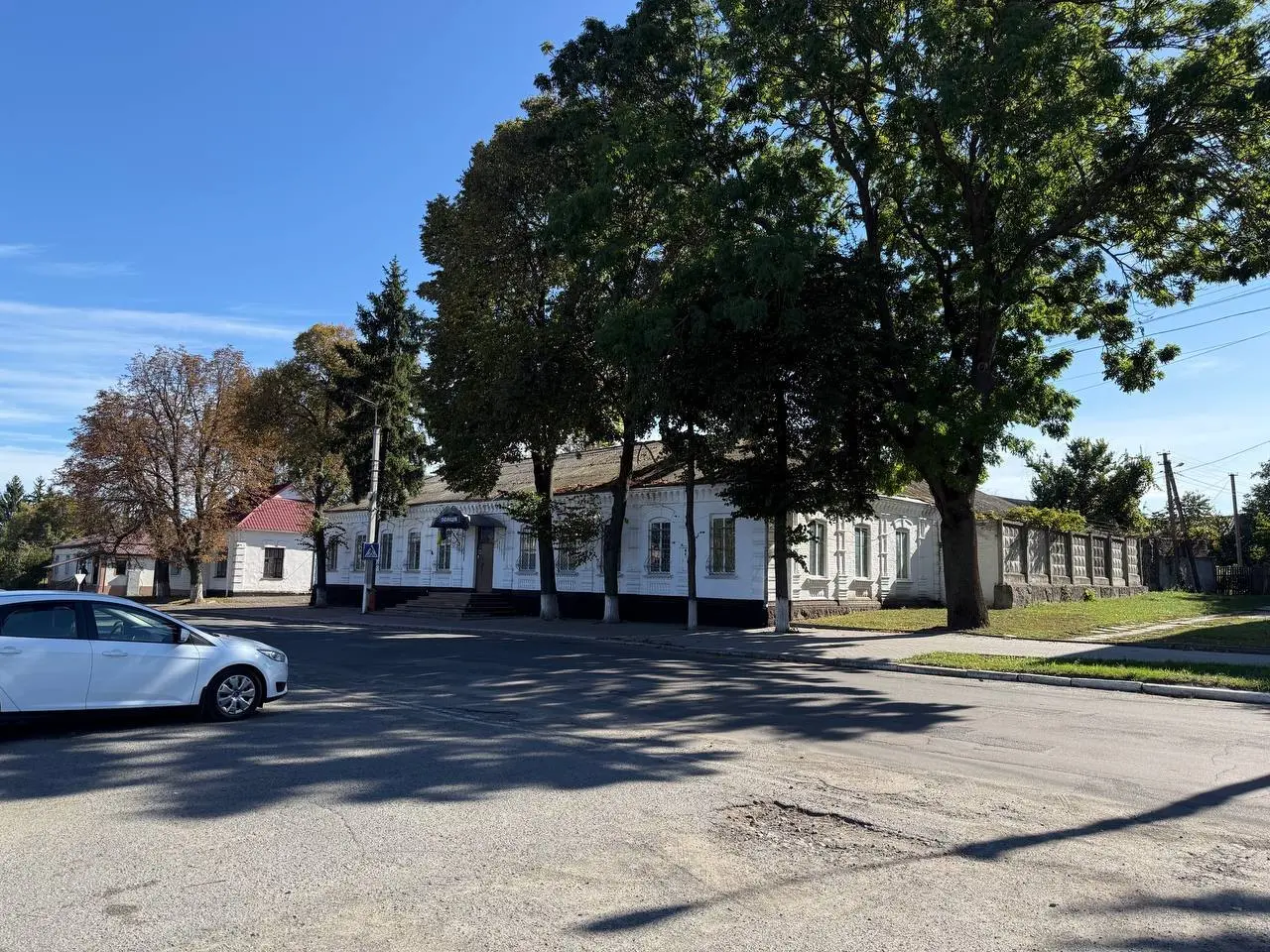
For example, near the present-day police station there is an old house which, according to local memories, also belonged to a Jewish family. Unfortunately, it has not yet been possible to establish who exactly its owner was. These buildings are part of the history of Horodyshche, a memory of the people who lived and worked here.”

Alla Sukhoruchenko, director of the Petro and Semen Hulak-Artemovsky Horodyshche Local History Museum. Recorded by Svitlana Liakhovets, 2026. Translated from Ukrainian.
A surviving historic building near today’s police station. Buildings that recall the town as earlier generations knew it, as they look today.
A surviving historic building near today’s police station. Buildings that recall the town as earlier generations knew it, as they look today. Photo: Svitlana Liakhovets, 2026.

These houses are part of the architectural and family history of Horodyshche. Further research on them may help to establish the names of their owners, the former purpose of the premises and their connection with the life of the Jewish community.
Surviving historic buildings in Horodyshche, which recall the town as earlier generations knew it, as they look today.
Surviving historic buildings in Horodyshche, which recall the town as earlier generations knew it, as they look today. Photo: Svitlana Liakhovets, 2026.
Surviving historic buildings in Horodyshche, which recall the town as earlier generations knew it, as they look today.
Surviving historic buildings in Horodyshche, which recall the town as earlier generations knew it, as they look today. Photo: Svitlana Liakhovets, 2026.
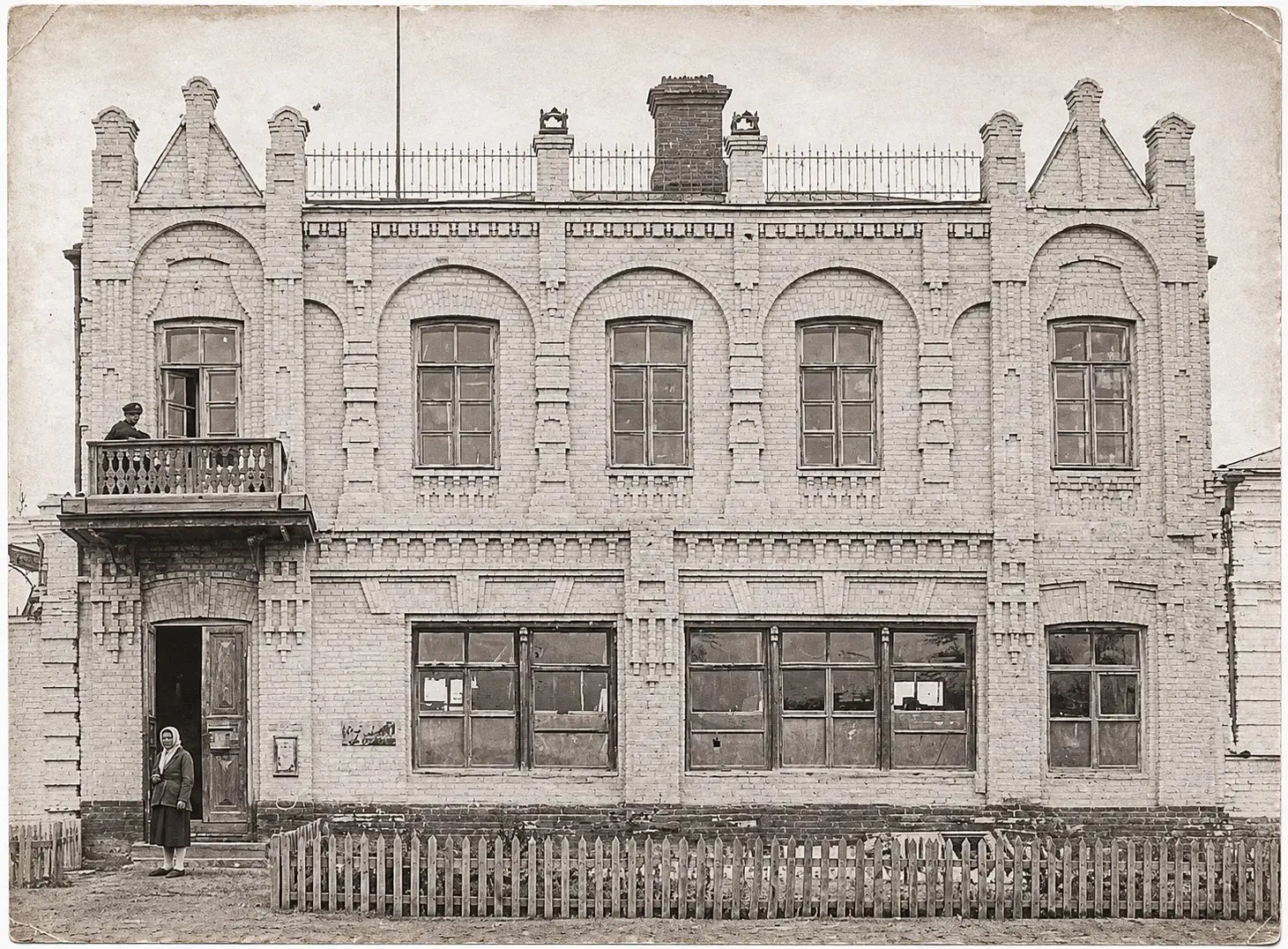
A historic building in the centre of Horodyshche that housed a newspaper office and a printing press. According to local historians, in March 1917 a soldier named Ivanov announced the fall of the tsarist government from its balcony. The house was demolished in the second half of the 1980s.
A historic building in the centre of Horodyshche that housed a newspaper office and a printing press. According to local historians, in March 1917 a soldier named Ivanov announced the fall of the tsarist government from its balcony. The house was demolished in the second half of the 1980s. Archival photograph courtesy of the Petro and Semen Hulak-Artemovsky Local History Museum, Horodyshche.
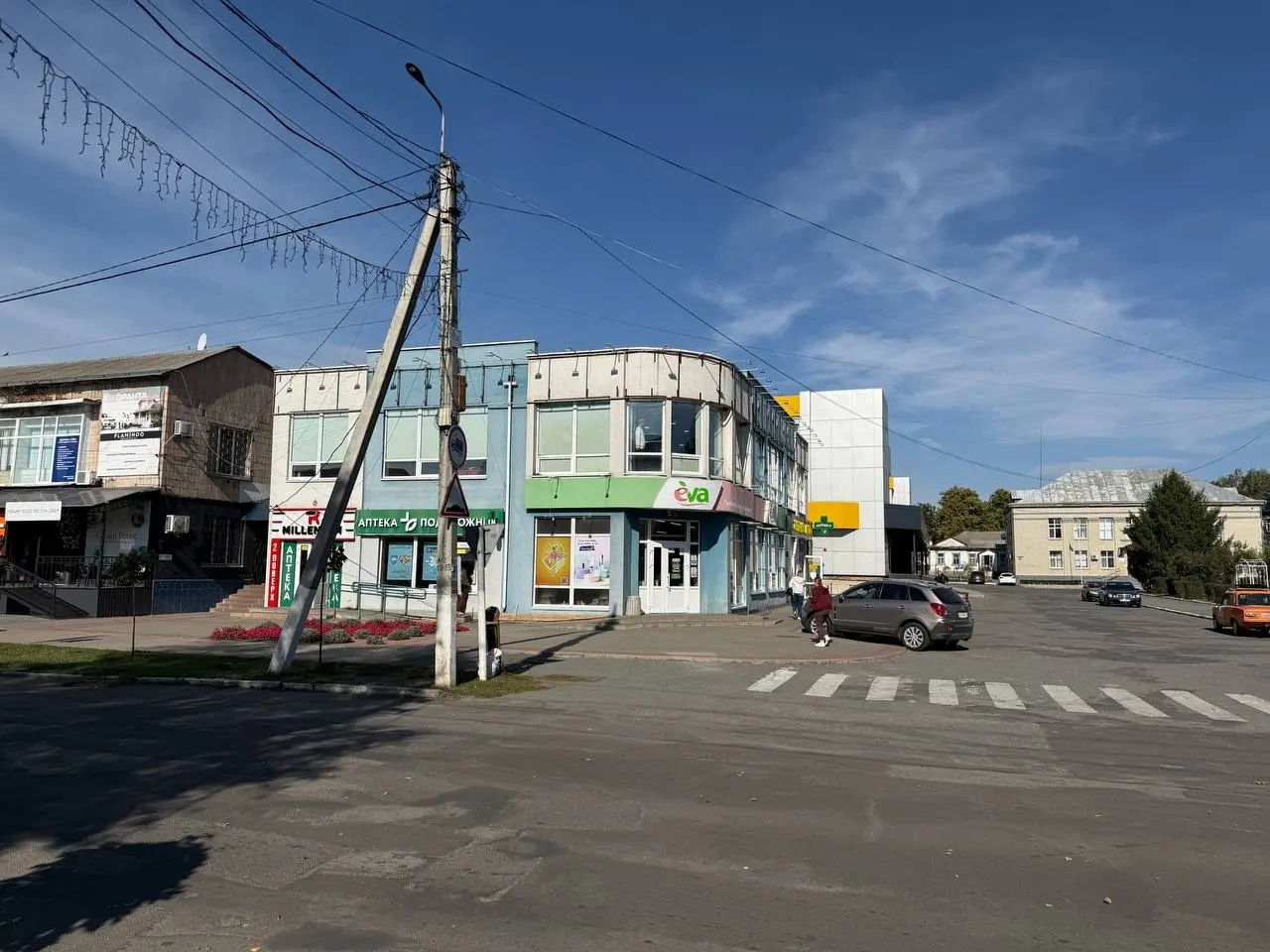
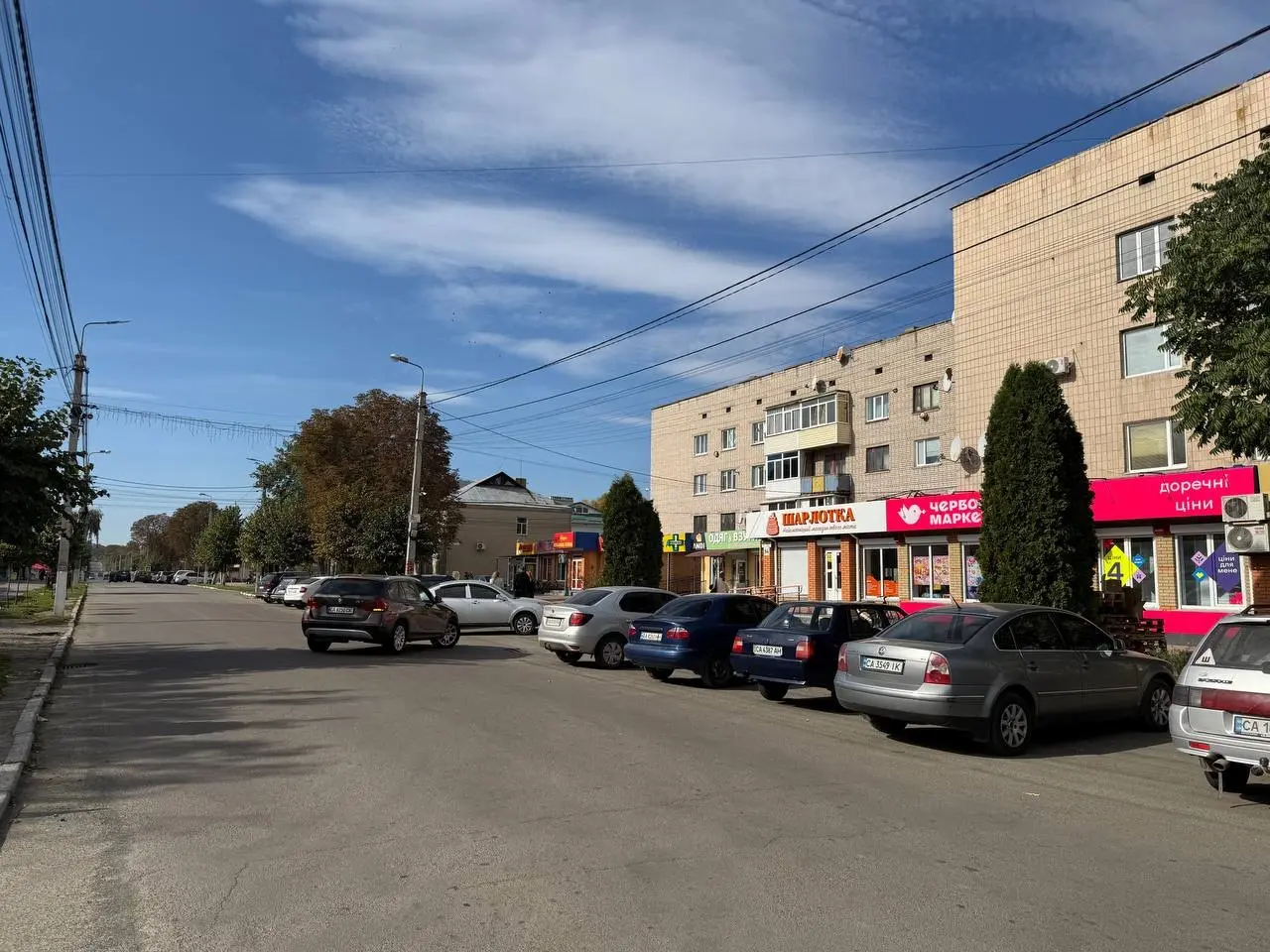
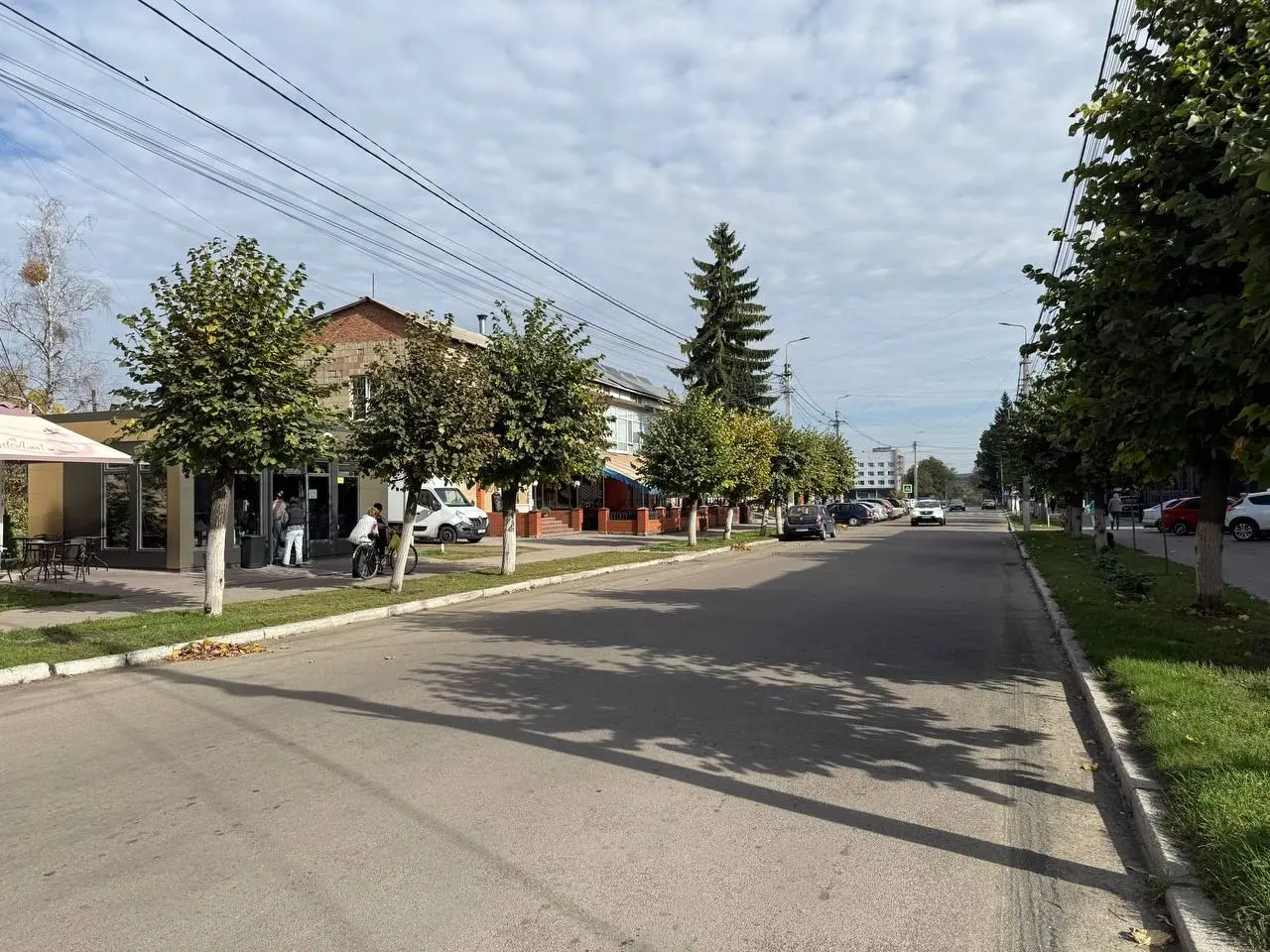
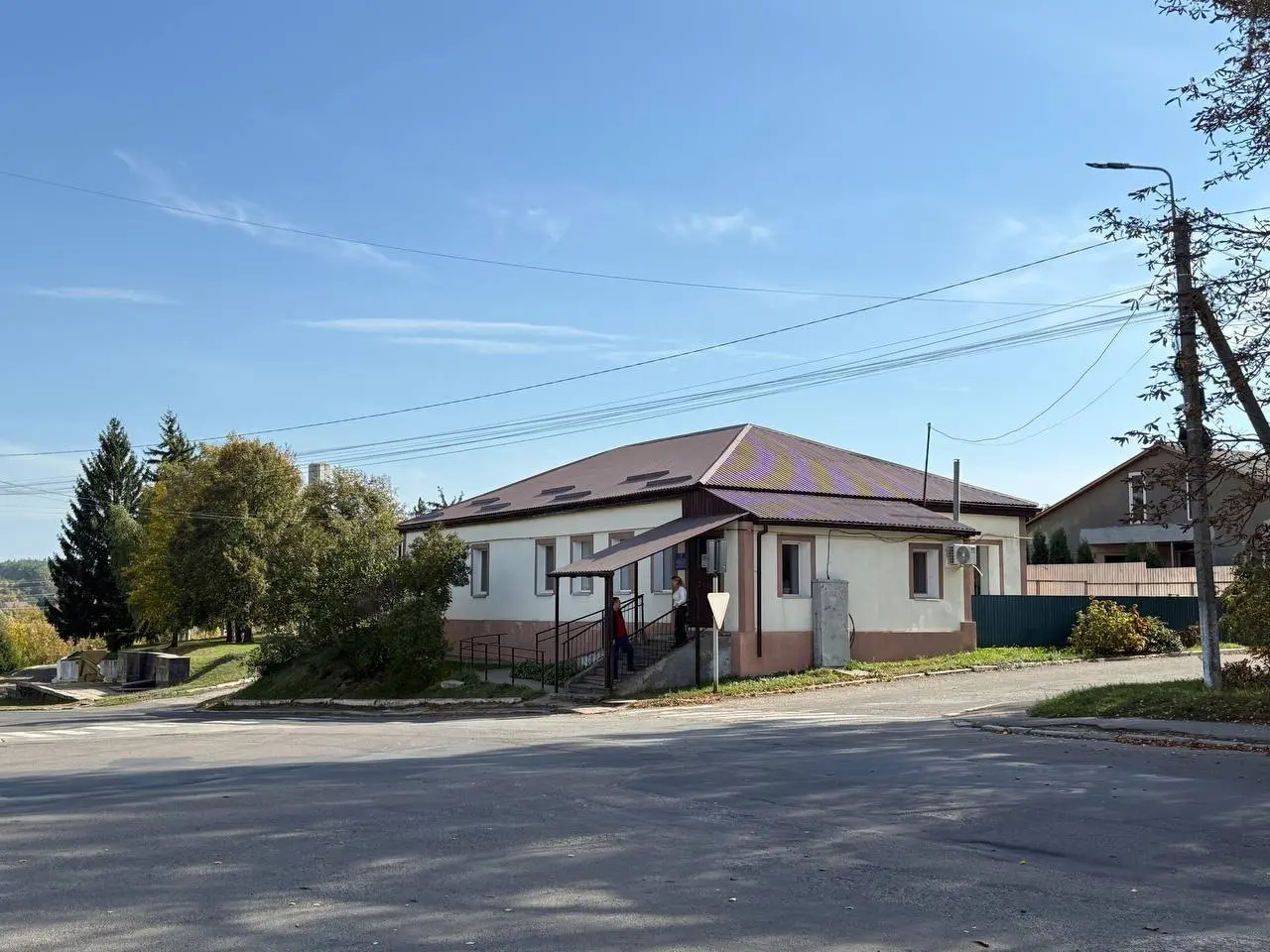
Present-day buildings in the centre of Horodyshche, on the site of the former trading rows.
Present-day buildings in the centre of Horodyshche, on the site of the former trading rows. Photo: Svitlana Liakhovets, 2026.
The centre of Horodyshche.
The centre of Horodyshche. Photo: Svitlana Liakhovets, 2026.
The centre of Horodyshche.
The centre of Horodyshche. Photo: Svitlana Liakhovets, 2026.

Read this section of the history

Search places, names, inscriptions and sources.