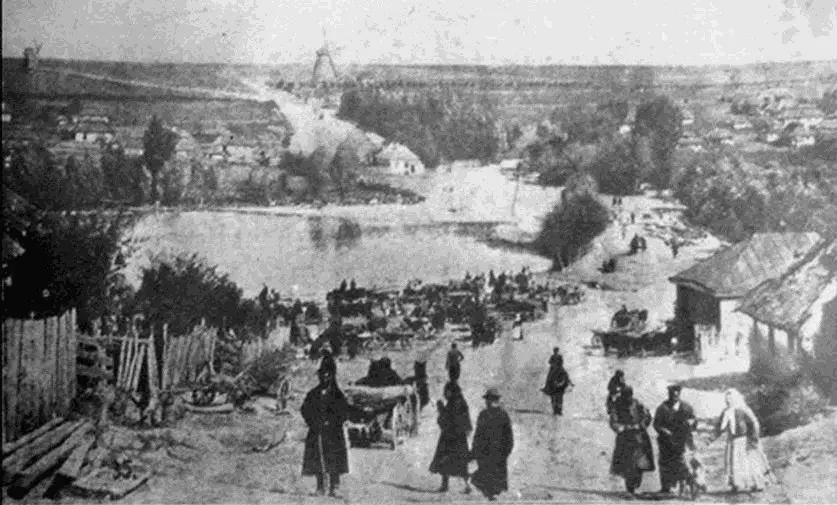
Today a large part of the Jewish heritage of Horodyshche has almost disappeared from the urban space. Former synagogues, shops, workshops and dwelling houses were demolished in the Soviet period, and those that survived have changed their purpose. There remain, however, historical documents, archival photographs, individual buildings, the old Jewish cemetery and places of memory of the victims of the Holocaust.
Each of these testimonies opens a separate page of the past, from the everyday life of the community to the tragic events of the 20th century.
The project “Jewish Memory of Horodyshche” brings these materials together in a digital historical route, in order to preserve the memory of people and places, to return little-known pages of history to the public space and to make them accessible to future generations.
1.1
Horodyshche, a town where histories intertwined
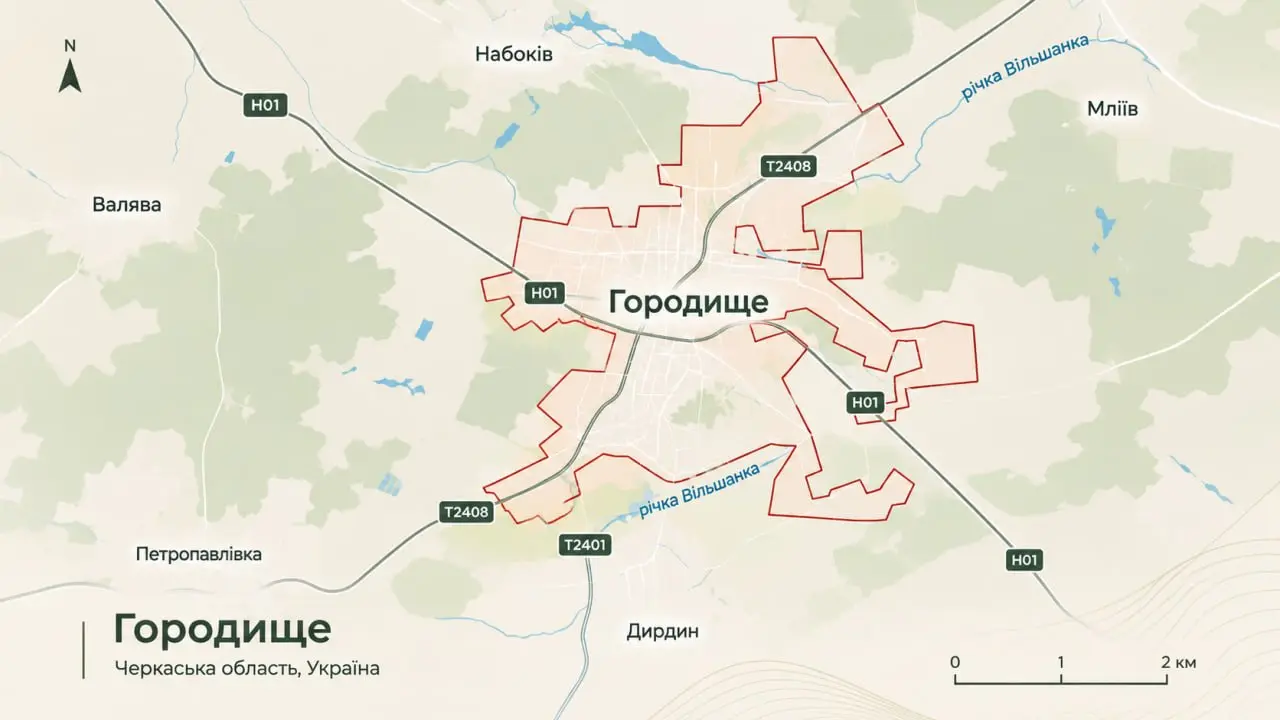
Horodyshche lies in central Ukraine, on the banks of the Vilshanka river, a tributary of the Dnipro. Its history is connected with the Cossack era and with the development of crafts, trade and industry. Written sources mention Horodyshche at the end of the 15th century, and in 1649 it became a sotnia town of the Cherkasy Regiment. Horodyshche later developed as an industrial centre. There were workshops, shops and quarries here. Sugar production, connected with the business activities of the Yakhnenko and Symyrenko families, was of particular importance. The town is also connected with the names of the writer Petro Hulak-Artemovsky and the composer Semen Hulak-Artemovsky.
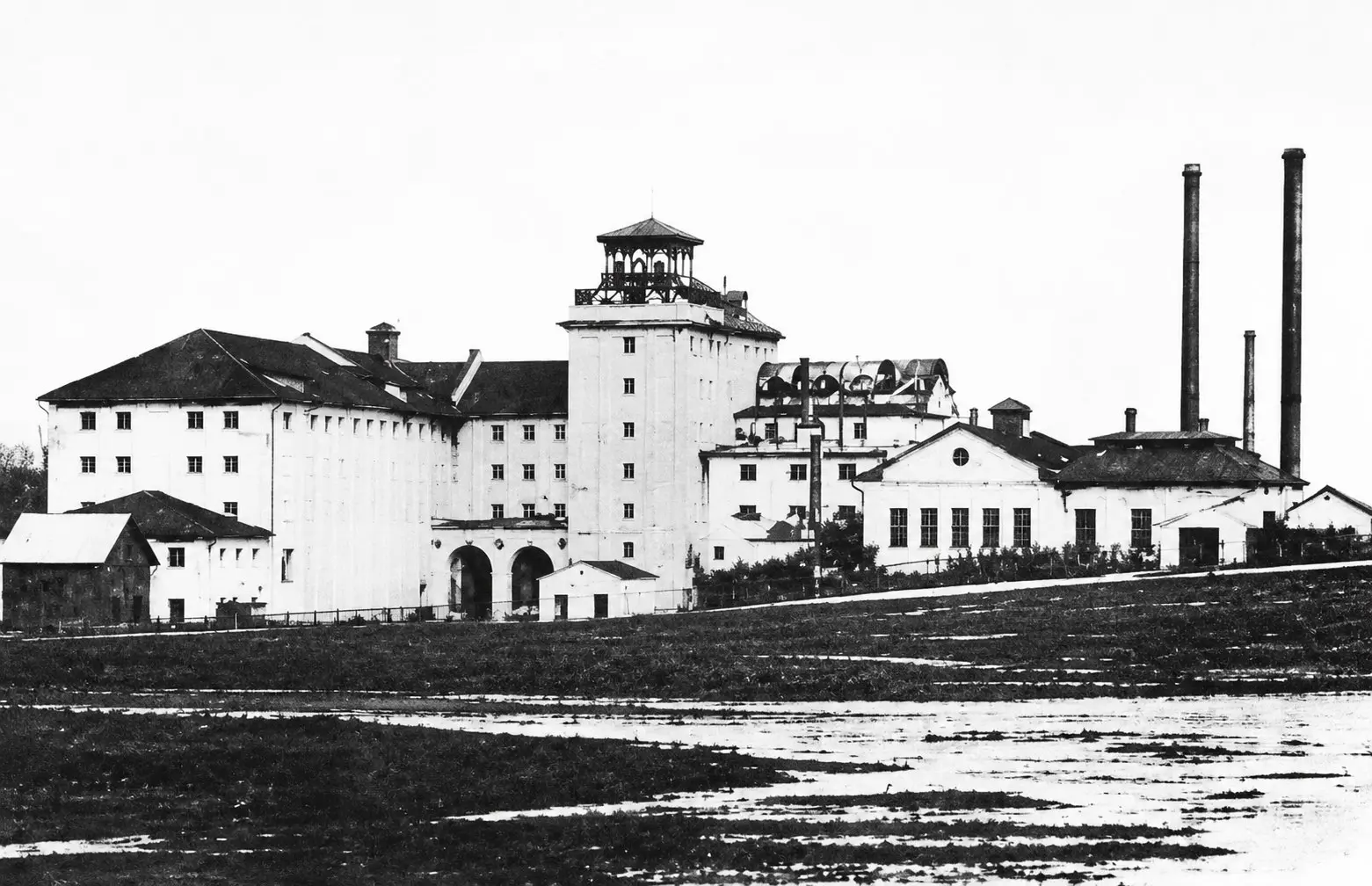
Members of various national and religious communities lived in Horodyshche. According to historical information published by Lavrentii Pokhylevych in 1864, the town and the local sugar factory had 9,888 inhabitants. Among them were 6,679 Orthodox Christians, 3,064 Jews, 130 Roman Catholics and 15 Old Believers. The Jewish community thus made up about 31% of the population, almost every third inhabitant of the town.
Jewish families lived here for generations, engaged in trade and crafts, and created their own educational, religious and communal institutions. Their life was an inseparable part of the history of Horodyshche.
In the 20th century pogroms, wars, the Holocaust and social transformations radically changed the life of the community. Many historic buildings disappeared, while the memory of the people has survived in documents, photographs and burial places.
It is these testimonies that became the basis of the project “Jewish Memory of Horodyshche”.