2.1
The Jewish community: history and everyday life
The testimony of Mykhailo Kamenetsky
An important source on the life of the Jewish community of Horodyshche and on the tragedy of the Holocaust is the memoir of Mykhailo Kamenetsky, published in 1995 in the newspaper «Nadezhda» under the title “My Shtetl”.
The author recalls pre-war Horodyshche, the occupations of its Jewish inhabitants, the shootings near Mliiv and his own family tragedy.
“The town of Horodyshche in Cherkasy Oblast was in the past a typical Ukrainian shtetl, where a considerable number of Jews lived. Even before the Patriotic War, old-timers asserted that before the revolution several thousand Jews lived in Horodyshche, and among them there were even seven merchants of the 1st guild.
Jews took the most active part in the life and economic development of the town. Among them were doctors, teachers, lawyers. There were many craftsmen of various kinds, namely: blacksmiths, roofers, tinsmiths, shoemakers, barbers, dental technicians, tailors, glaziers, draymen, cab drivers, slaughterers of livestock and others. There were private mills and hundreds of shops.
Before the beginning of the war up to 500 Jews lived in Horodyshche. Men of conscription age went to the front. A small number were evacuated. And the remaining 400 people, among them old people, women and children, were shot by the German occupiers and their accomplices in April 1942 on the outskirts of the village of Mliiv. I lost my parents, my brother and my sister then.
Only Jews who had returned from the army and from evacuation looked after the mass grave. The Soviet authorities took a neutral position.
At present 16 Jews live in Horodyshche, half of them pensioners.”
Mykhailo Kamenetsky. “My Shtetl”. Newspaper «Nadezhda», 1995, No. 5. Translated from Russian. The number of victims and other details reflect the author’s testimony as published in 1995.
A community that was part of the town
The exact date of the arrival of the first Jewish inhabitants in Horodyshche remains unestablished. It is known, however, that during the 19th century the Jewish community became a significant part of the population and of the town’s life.
According to statistical data given in the Russian Jewish Encyclopaedia, 3,124 Jews lived in Horodyshche in 1897, 21.3% of the total of 14,641 inhabitants. For 1910 the source gives 3,216 Jews, or 19.5% of the population.
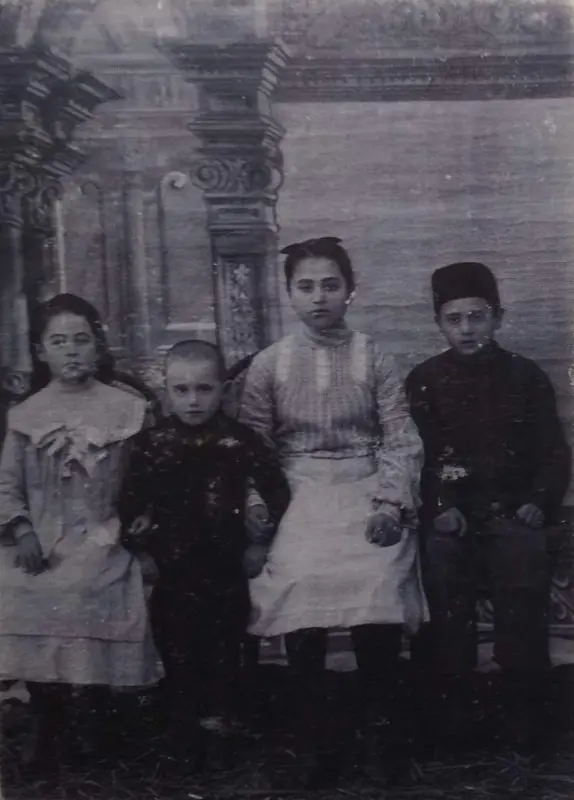
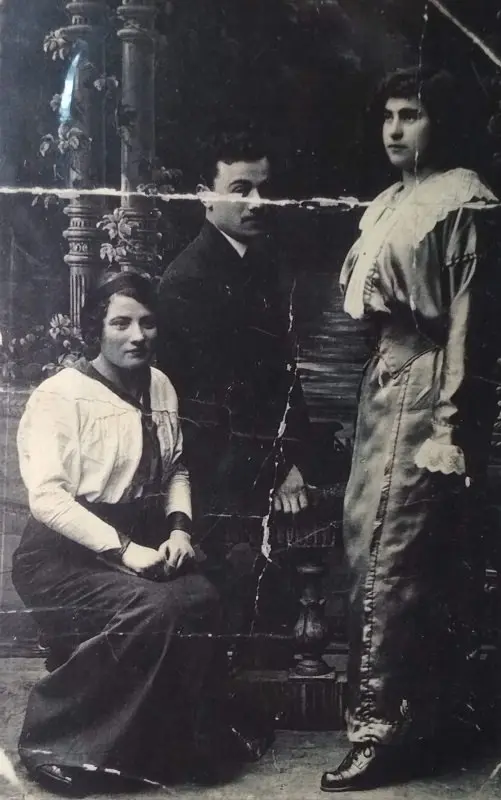
This was an organised community with its own religious, educational, medical and charitable institutions. Historical evidence has survived about the synagogues, a Jewish school, a hospital, trading establishments, craft workshops and the everyday life of Jewish families.
“The Jews lived as a densely built-up, separate community; the houses stood very close to one another. They had no gardens or land to cultivate. The interior furnishings depended on the occupations of the owners.”
Volodymyr Chos (1971–2020), Ukrainian journalist, writer and local historian, researcher of the history of Horodyshche and the Horodyshche area. Translated from Ukrainian.
Jewish communities existed not only in Horodyshche but also in the surrounding settlements. According to data given by Mykola Shcherbyna on the basis of 19th-century statistical descriptions, in 1852 Jews made up about 32% of the population of Vilshana. In 1864 Jewish inhabitants also lived in Mliiv, Orlovets, Svynarka, Buda and Viazivok.
The Jewish community: facts and figures
- 1897 3,124 Jews, or 21.3% of the population of Horodyshche, according to the first general census of the Russian Empire.
- 1910 3,216 Jews, or 19.5% of the town’s population.
- 1900 three synagogues and a talmud-torah, a traditional Jewish primary school.
- 1910 construction of the Jewish hospital, which provided medical care, in particular to poor members of the community.
- 1939 about 500–600 Jews lived in Horodyshche, according to published historical information. The decline in the size of the community was connected, in particular, with the pogroms, migration and the social changes of the preceding decades.
Sources: First General Census of the Russian Empire (1897); Russian Jewish Encyclopaedia, article “Horodyshche of Cherkasy Oblast”; Ukraine Jewish Heritage, “Horodyshche” (2016).
The Jewish charitable society and book printing
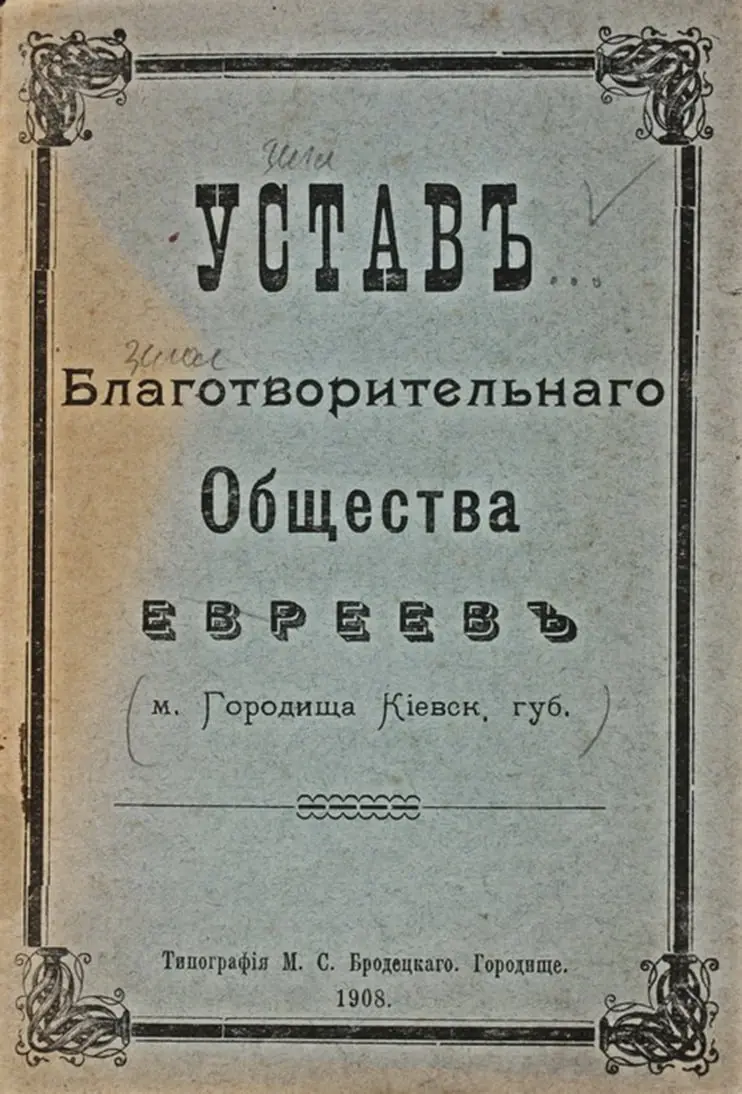
In the early 20th century Jewish communal initiatives were active in Horodyshche. The holdings of the Vernadsky National Library of Ukraine mention the “Statute of the Charitable Society of Jews in the Town of Horodyshche, Kyiv Governorate”, published in Horodyshche in 1908. It was printed by the printing house of M. S. Brodetsky.
2.2
Trade, crafts, work
In the 19th and early 20th centuries the central part of Horodyshche was the centre of the town’s commercial, craft, communal and religious life. Shops, workshops, dwelling houses and religious buildings were located here. Members of various national and religious communities lived and worked in a shared urban space.
Jewish inhabitants took an active part in the economic life of Horodyshche. Their trading establishments and workshops were located, in particular, near present-day Peace Square. Business directories of the Russian Empire for 1913 contain information about local trade and enterprise. Archival documents also mention projects for the construction of A. L.-L. Shapiro’s soap works in 1911 and of the mill of the townsman Ye. K. Yerusalymsky in 1912–1913.
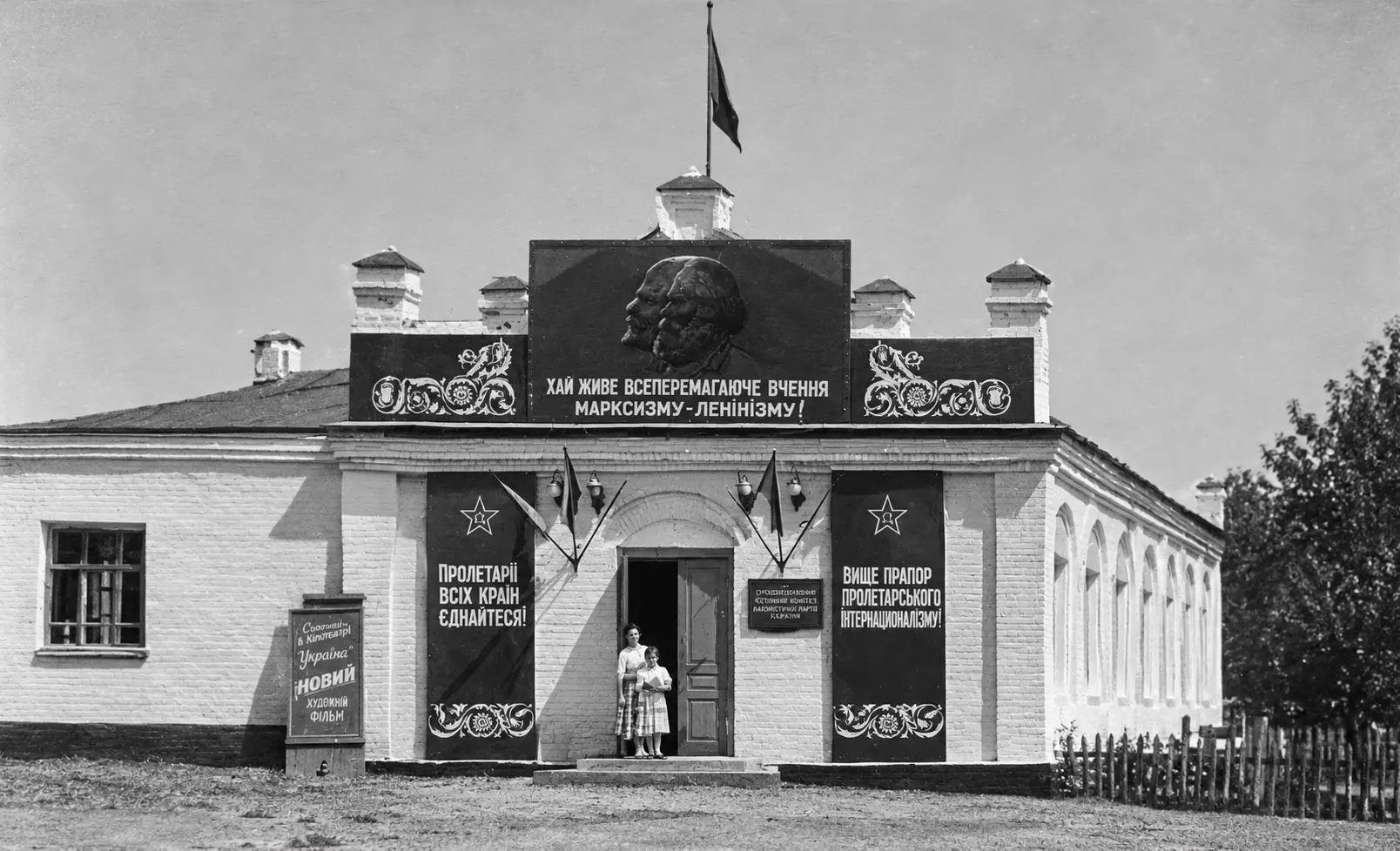
Before the revolutionary events of 1917, a Jewish bakery operated in the basement of the building that then stood on the site of the present-day Zhovten cinema in Horodyshche. This is another example of the participation of Jewish inhabitants in the craft and economic life of the town.
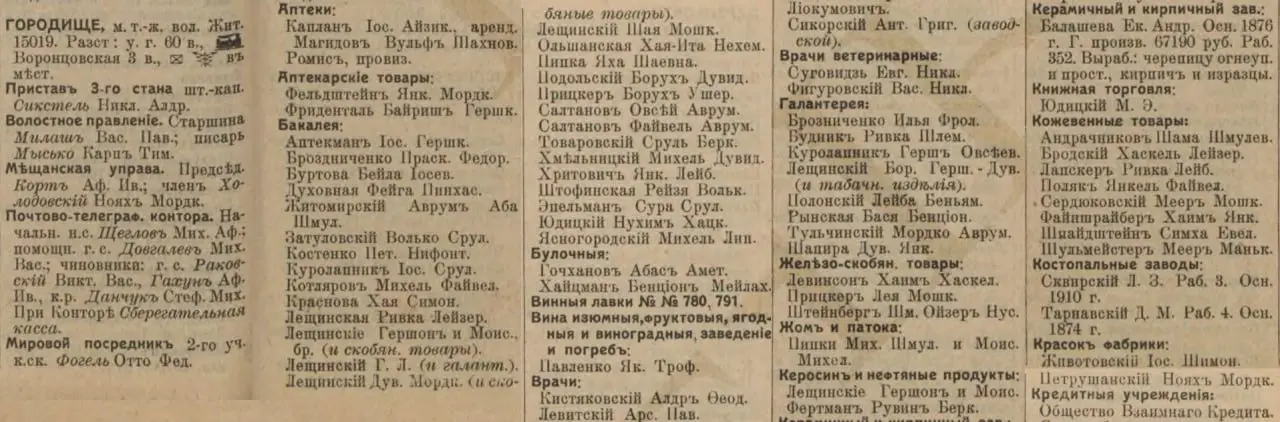
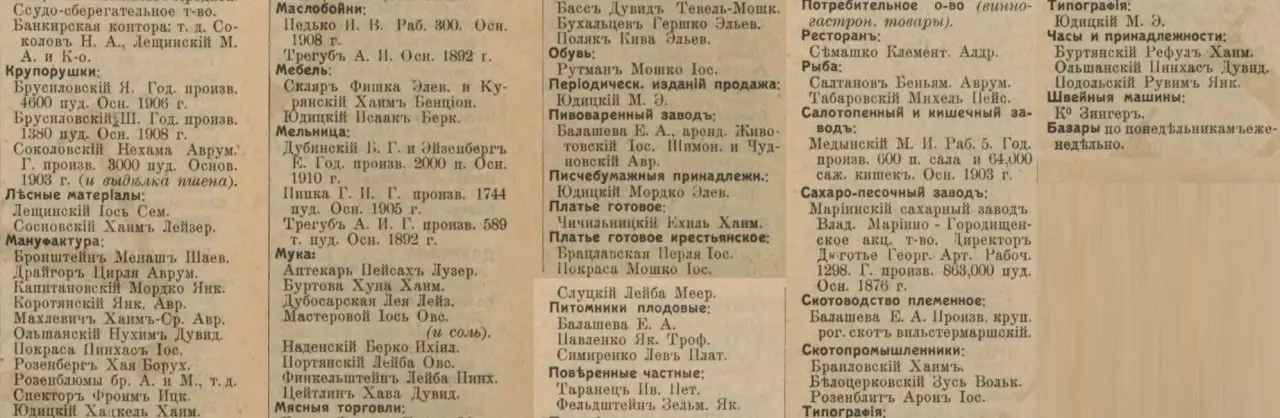
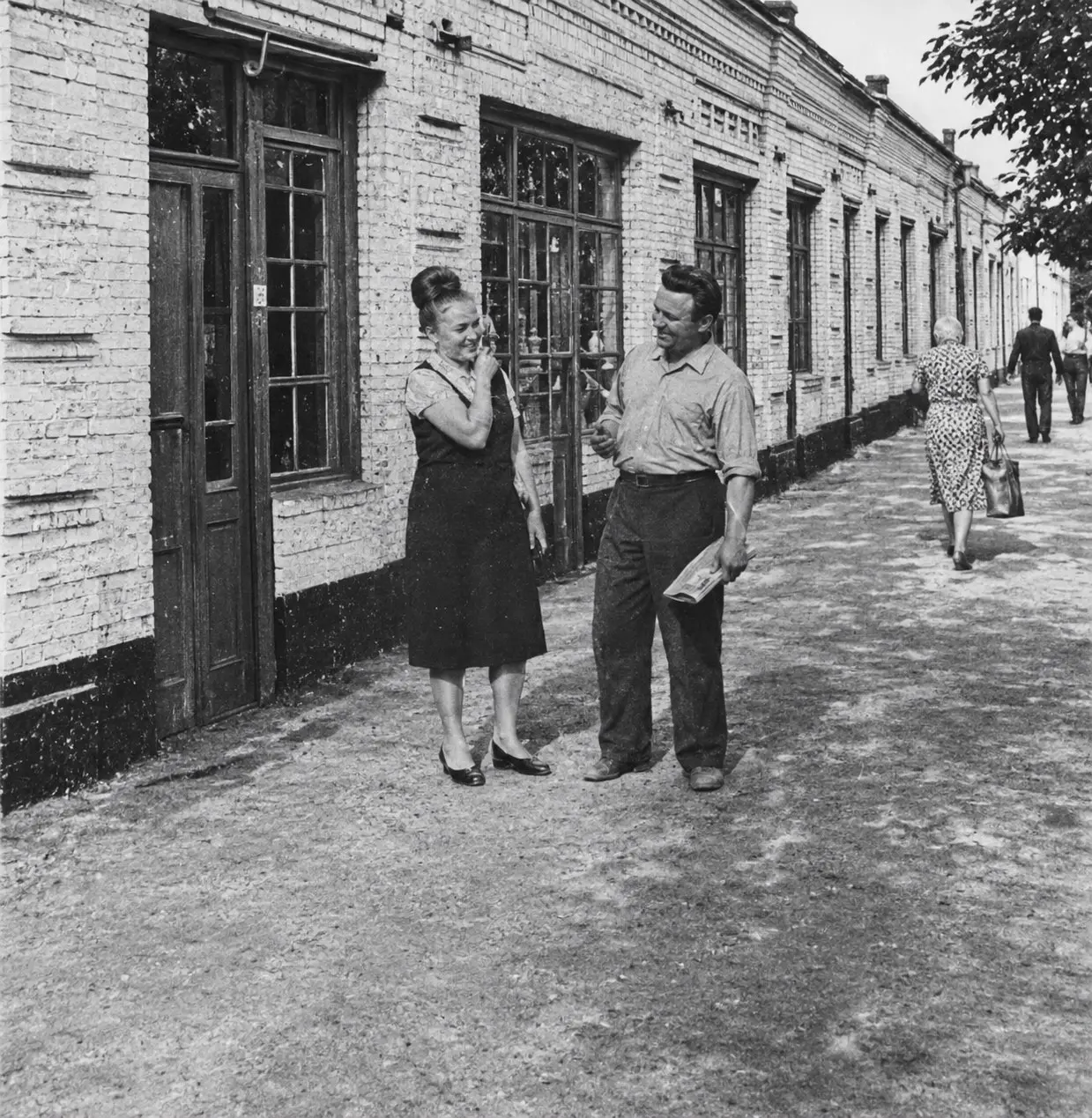
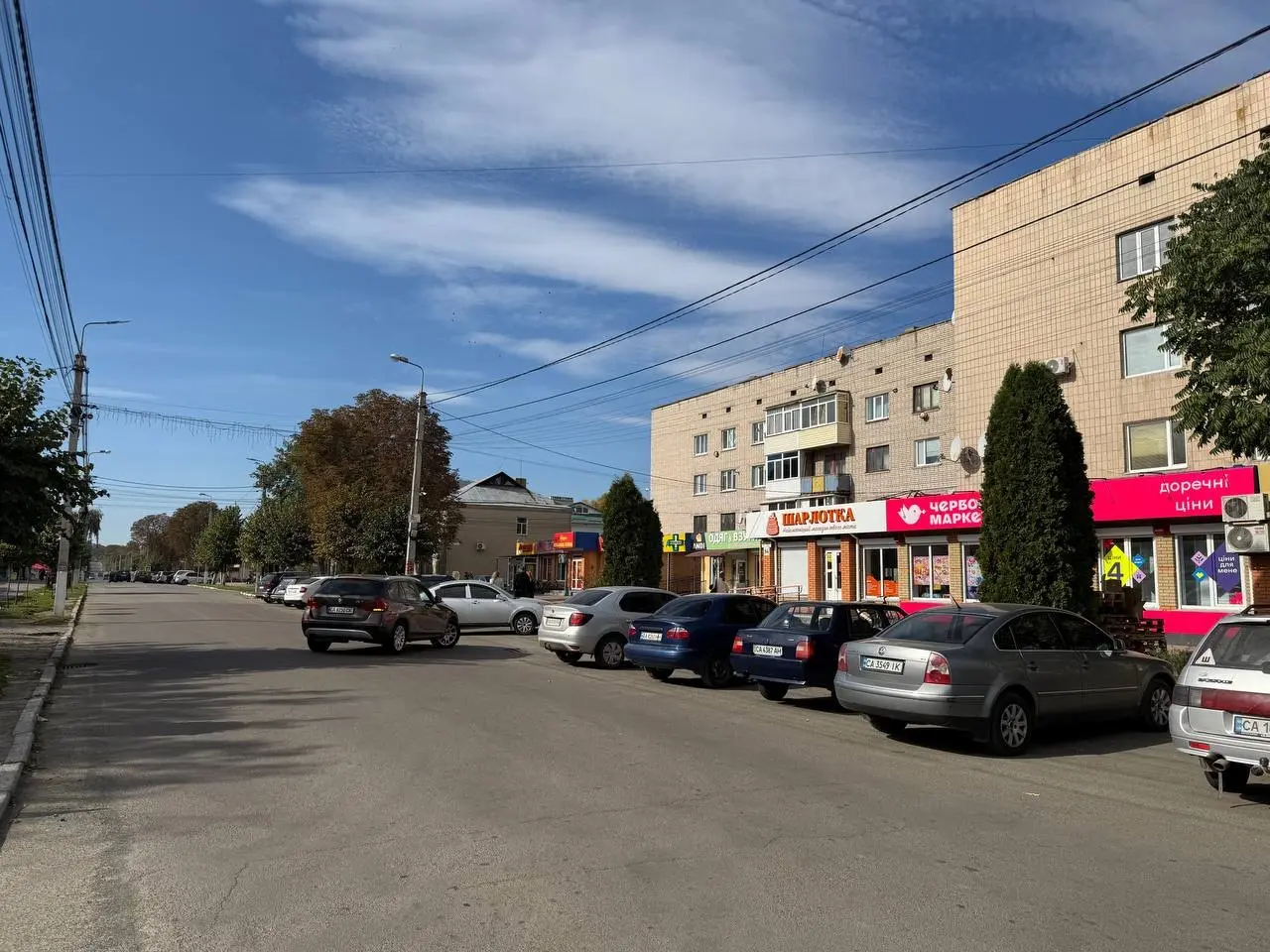
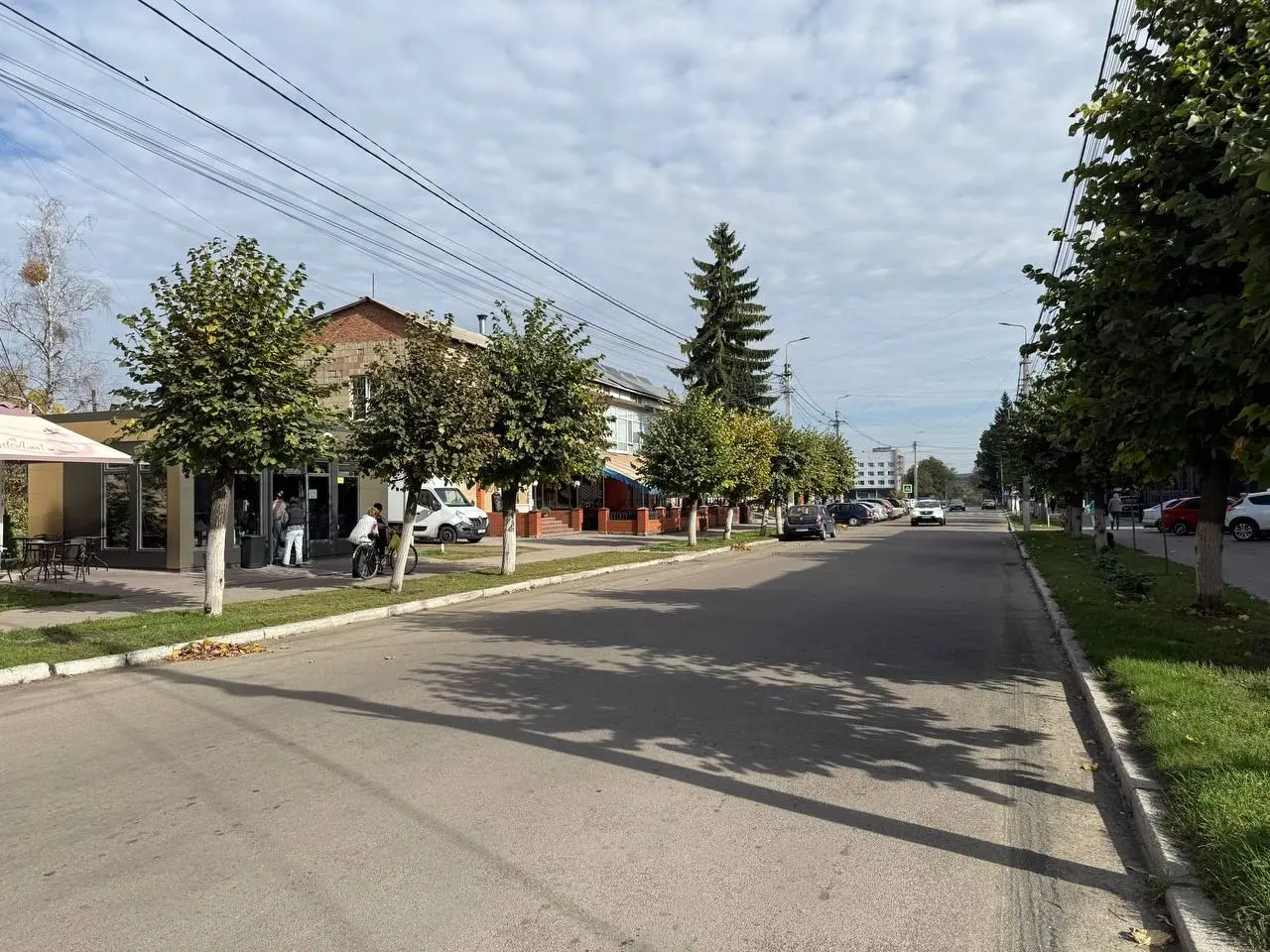
Today the historic centre of Horodyshche looks entirely different. The synagogues, the talmud-torah, the shops and the private houses have not survived. Archival photographs and documents remain important evidence of how trade, work, and the religious and everyday life of the inhabitants of Horodyshche intertwined in a shared urban space.
2.3
Religious life
The religious life of Horodyshche reflected the diversity of its population. Alongside the Orthodox churches and the Catholic church, there were Jewish synagogues, which were important centres of the religious and communal life of the local Jewish community. According to historical information, there were three synagogues in the town in 1900.
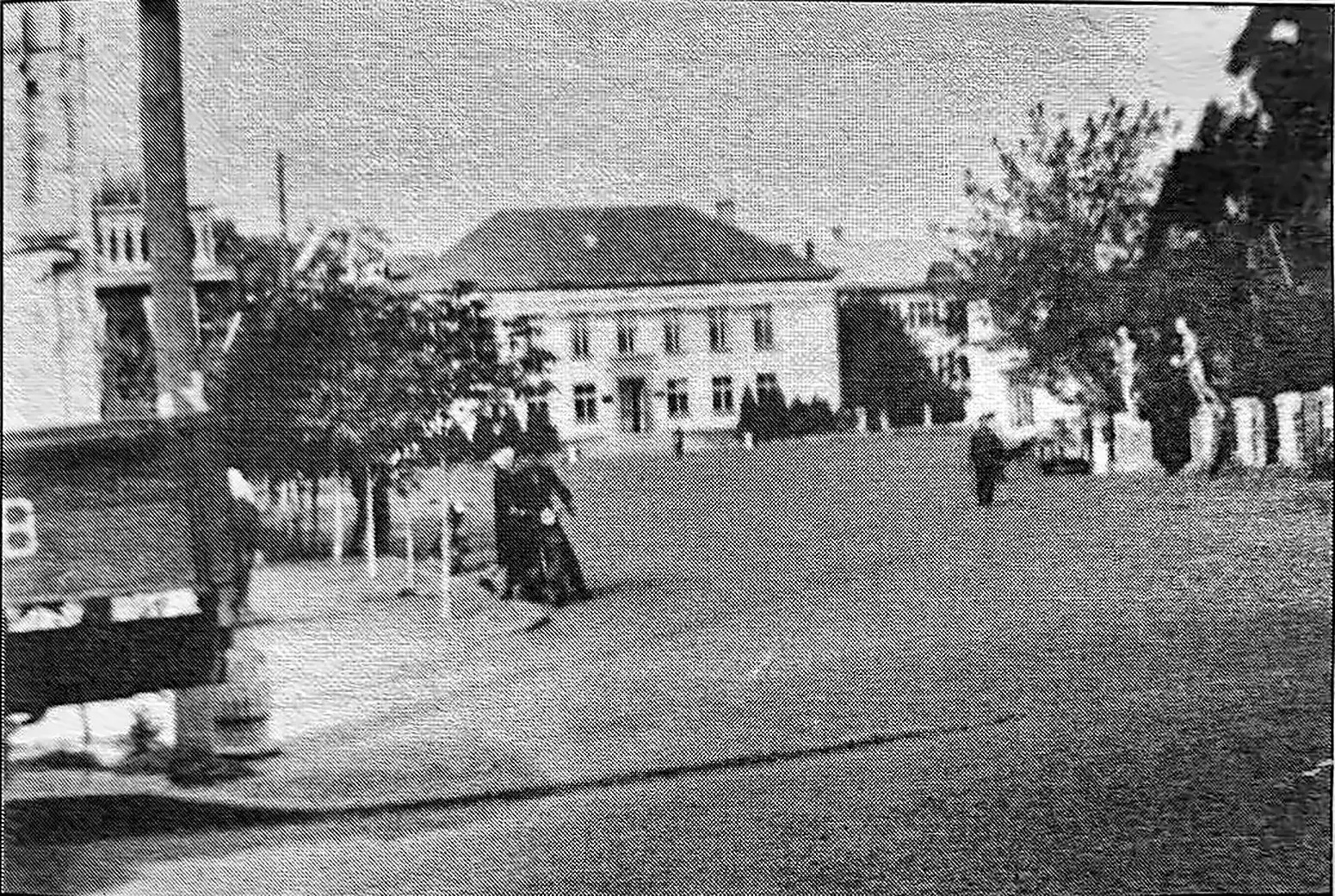
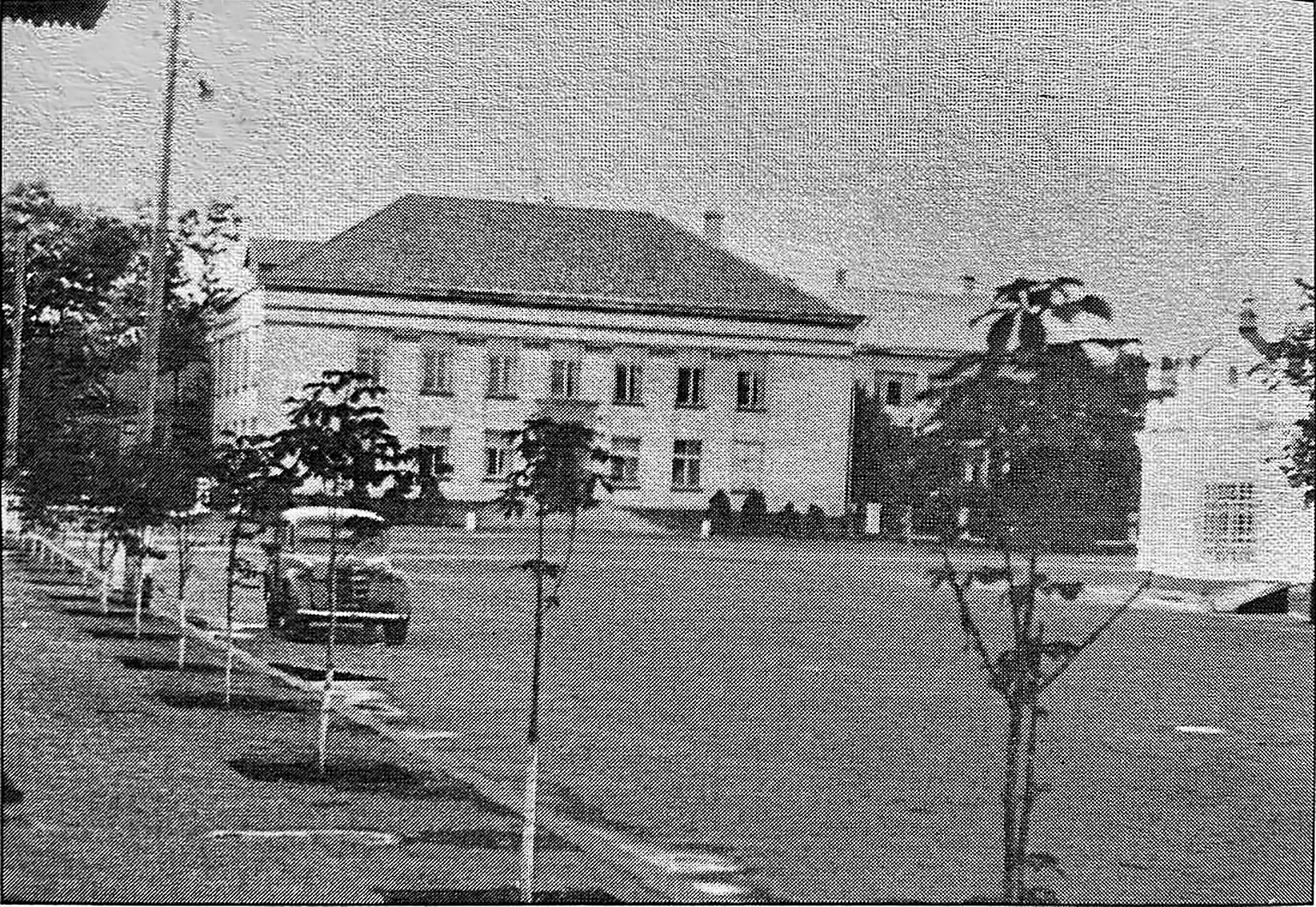
One of them stood in the very centre of Horodyshche, on the site of present-day Peace Square. Its appearance has been preserved in historical photographs. In photographs of the central square from the 1960s, part of the building can be seen on the right. A photograph of the Horodyshche Jewish self-defence unit is also associated with the synagogue.
The location of the other two remains unestablished. However, local historians say that, according to oral tradition, the second synagogue stood near the Jewish hospital, and the third in the area of the present-day district hospital, not far from the old Jewish cemetery.
In the 1970s the synagogue was demolished. In 1968 the central part of Horodyshche underwent large-scale reconstruction, during which a large part of the old buildings disappeared, including the former Jewish shops, workshops and dwelling houses.
Today none of the three historic synagogues of Horodyshche has survived. Archival photographs and local history testimonies help to reconstruct this lost part of the town’s religious and architectural past.
2.4
Education
Education was an important component of the development of Horodyshche. In the 19th century, along with industrial growth, there arose a need to teach children and to train qualified workers.
The Yakhnenko and Symyrenko families of entrepreneurs played a particular role in the development of education. At the Horodyshche industrial complex there were schools for workers’ children, a library and later also a Sunday school for adults. In 1857 a school was opened at the entrepreneurs’ expense, in which teaching followed the curriculum of technical schools.
The Jewish community also had its own educational institutions. According to historical information, a talmud-torah was active in Horodyshche in 1900, a Jewish primary school in which children received a religious education.
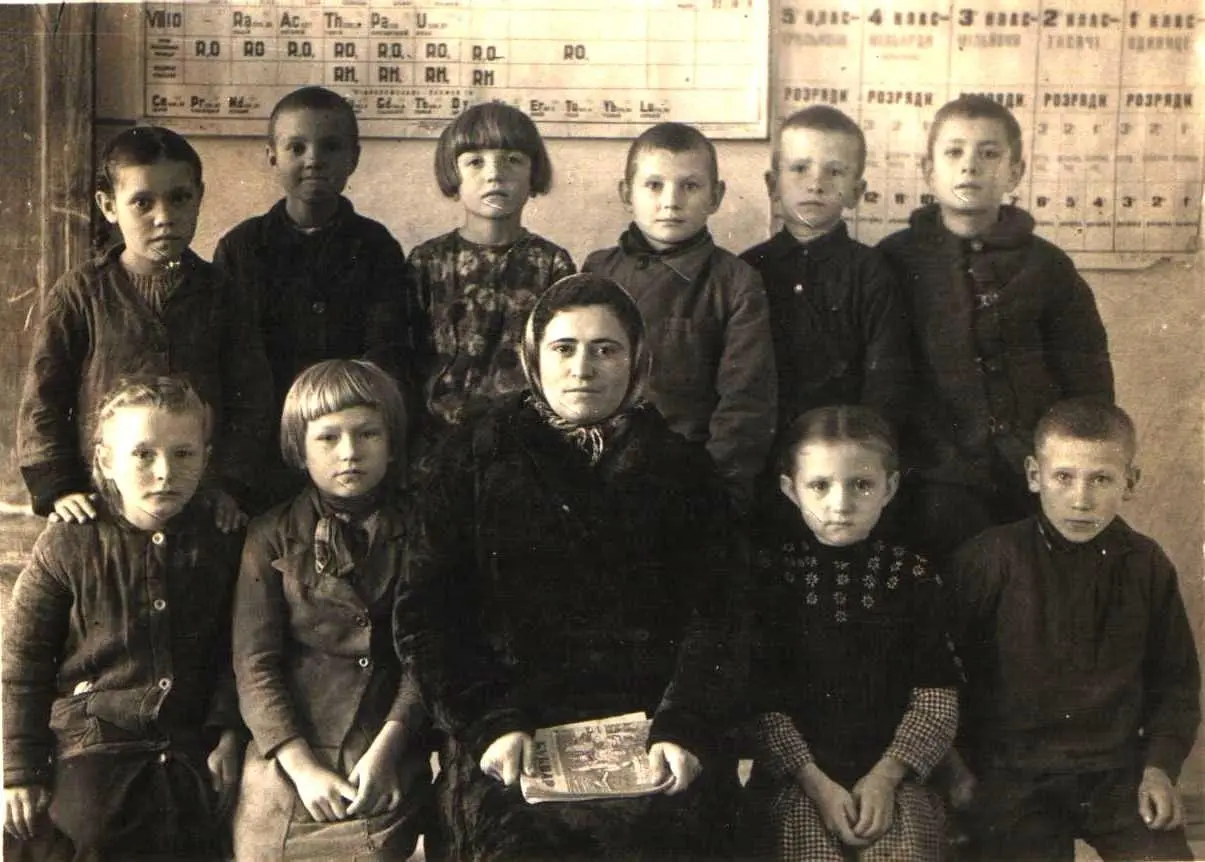
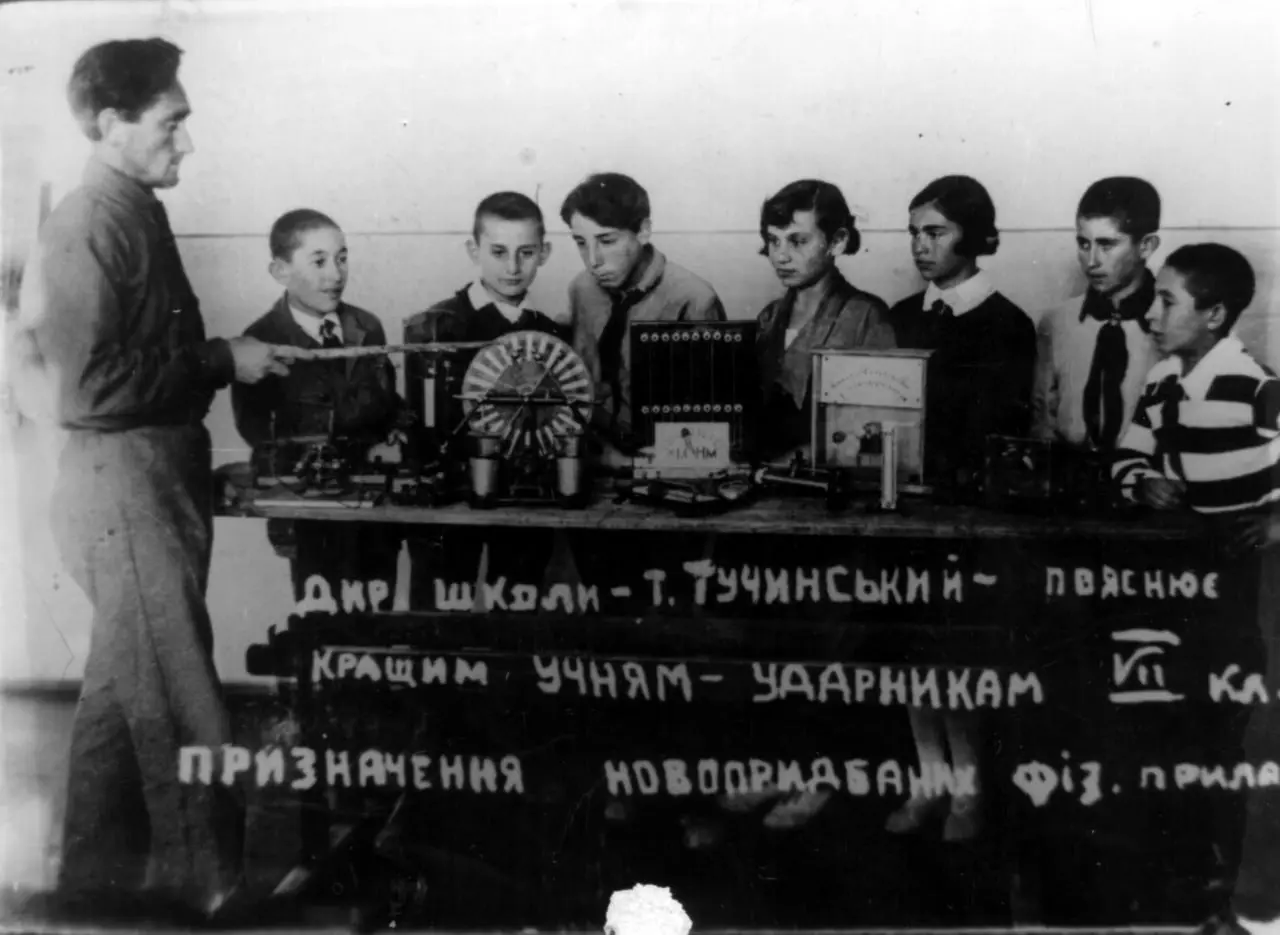
Educational life in Horodyshche thus developed in different directions, from general and vocational training to study in religious institutions.
The exact location of the Horodyshche talmud-torah and detailed information about its activity have not yet been established.
2.5
Medicine and mutual aid
The development of medicine in Horodyshche was connected with the growth of the town, its industry and its public institutions.
In the middle of the 19th century there were a hospital and a pharmacy for workers at the Yakhnenko and Symyrenko industrial complex near Mliiv. Medical care was part of the social infrastructure created by the entrepreneurs, which also included housing, schools and other everyday facilities.
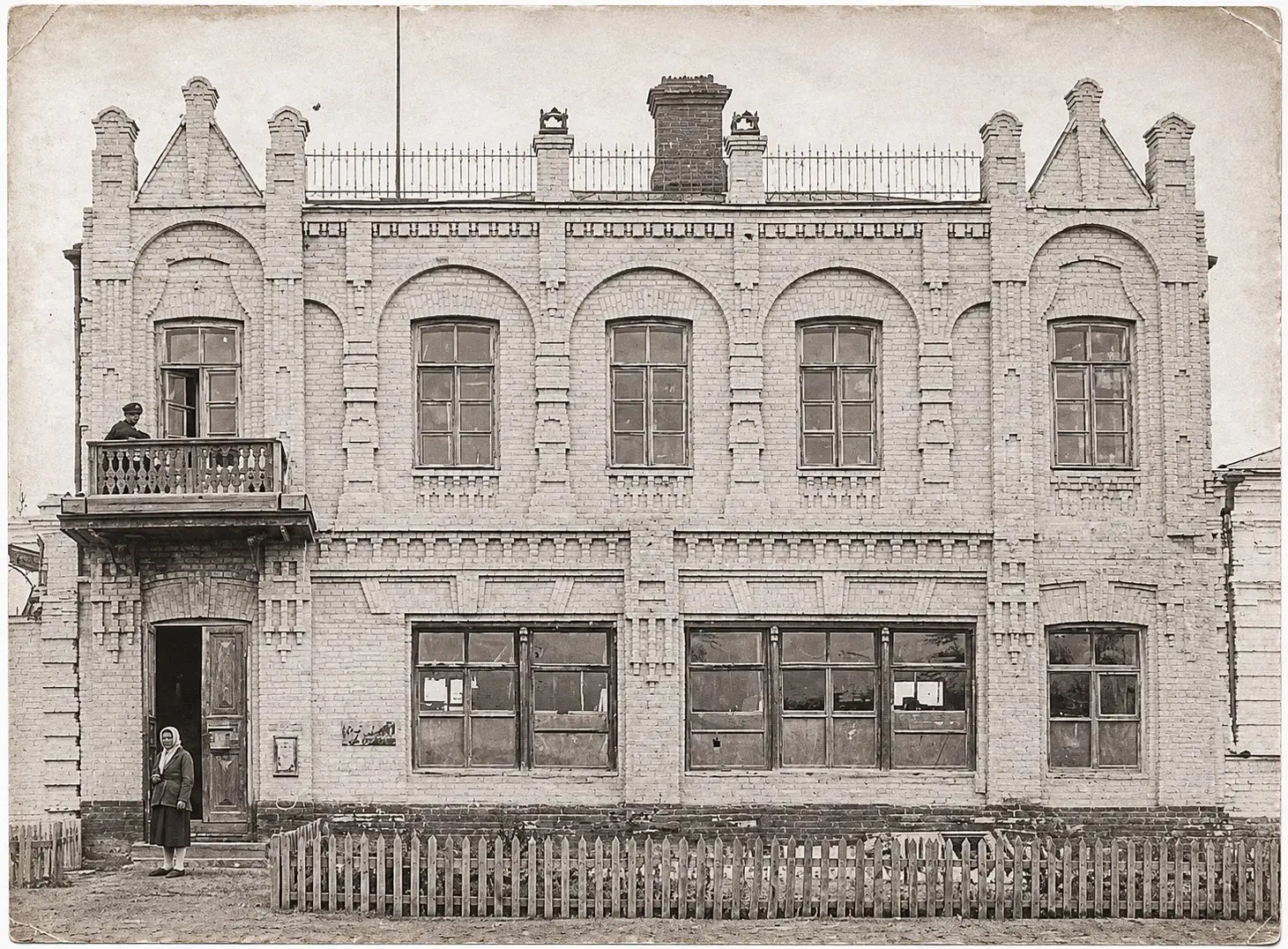
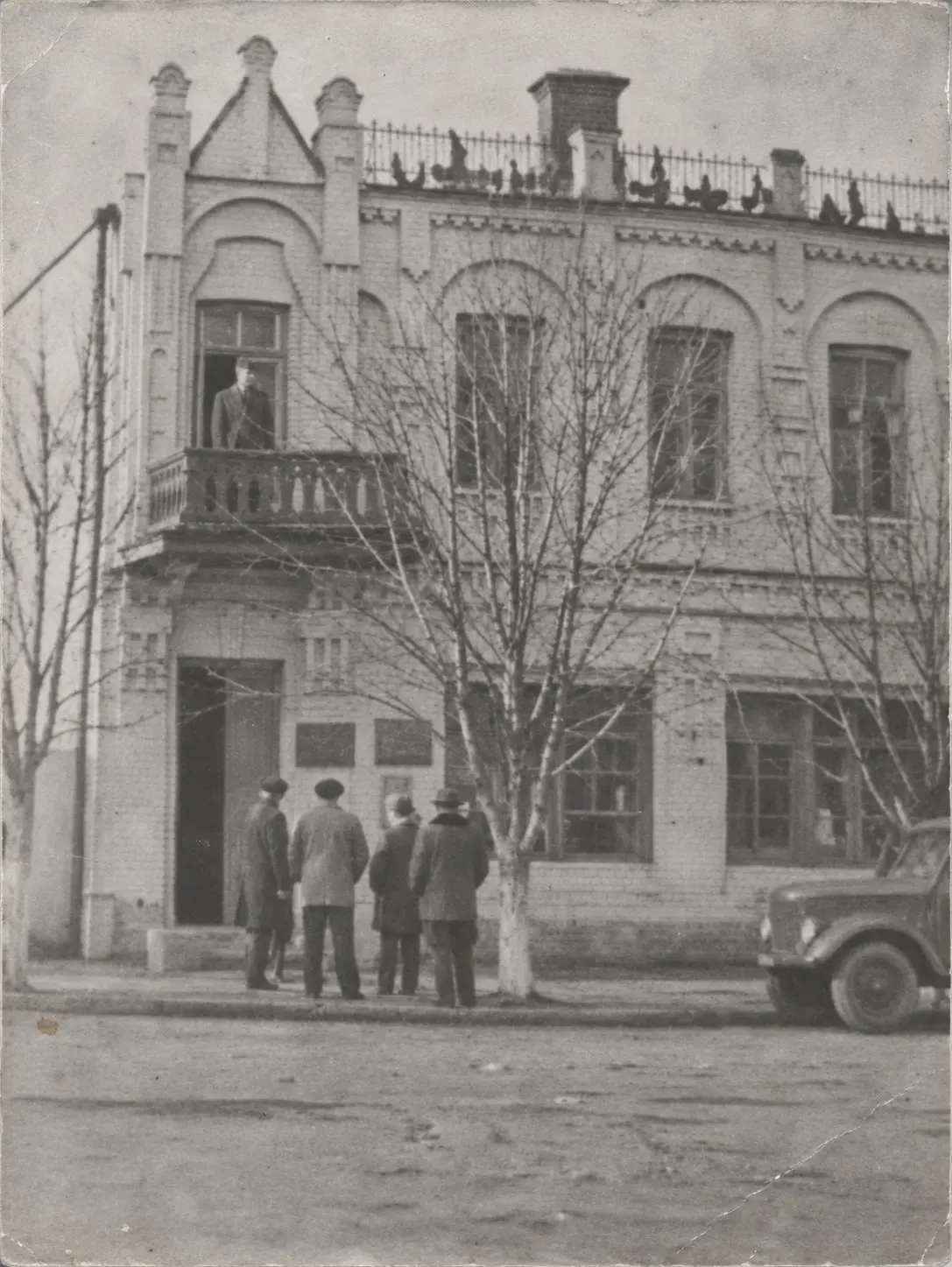
In the early 20th century there was also a Jewish hospital in Horodyshche. According to materials from Ukraine Jewish Heritage, in 1910 it had six beds, was funded from communal tax revenues and provided free care to poor Jewish inhabitants.
In 1912 the hospital became a zemstvo hospital. A pharmacy and a pharmaceutical warehouse operated there.
The archival inventories of the State Archive of Kyiv Oblast preserve a file from 1908–1909 on the approval of a project to extend the Jewish hospital. It indicates that the history of this institution began before 1910.
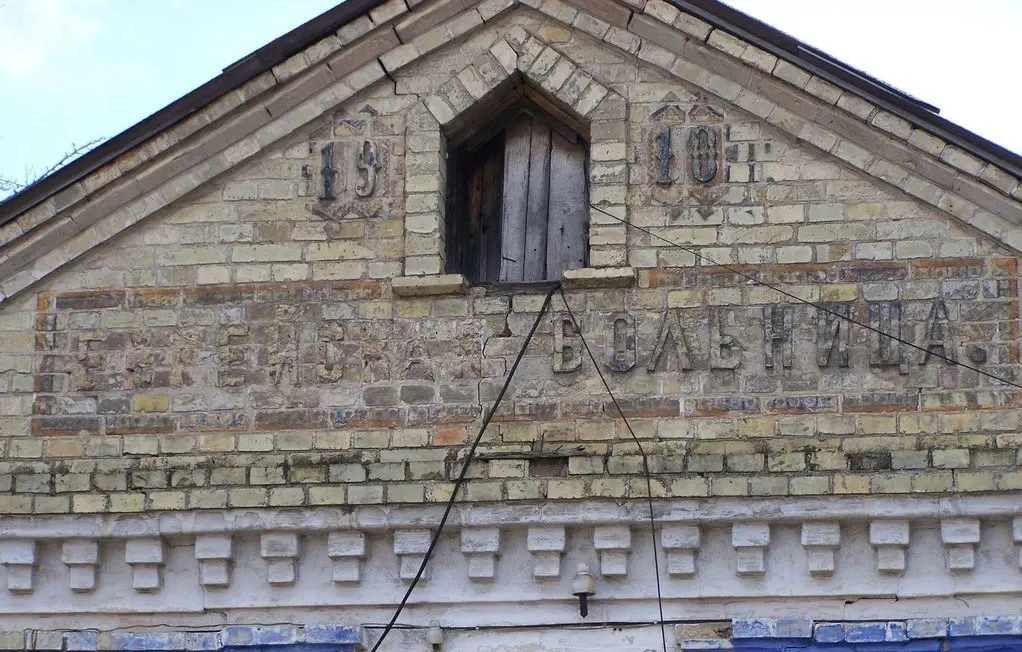
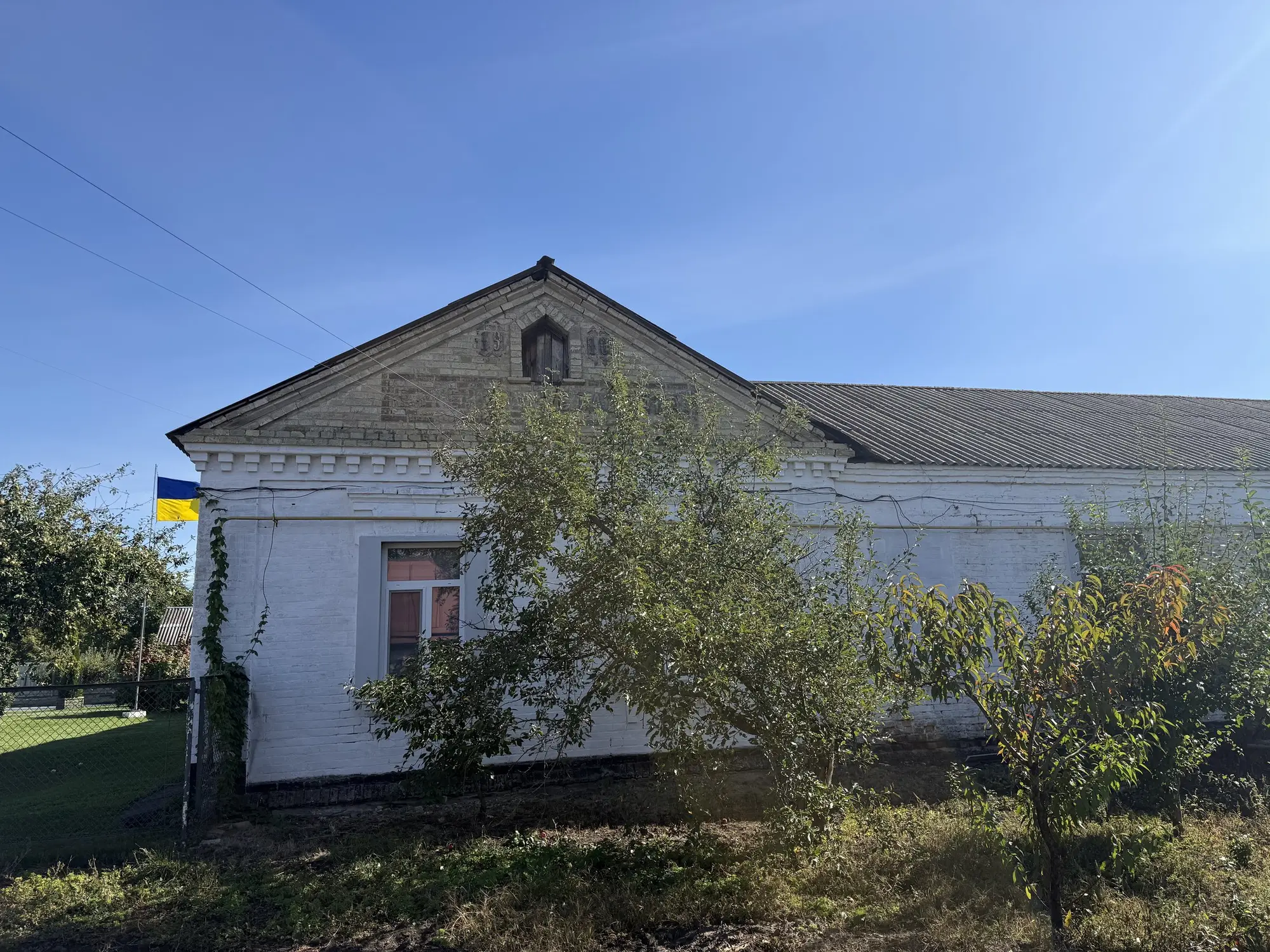
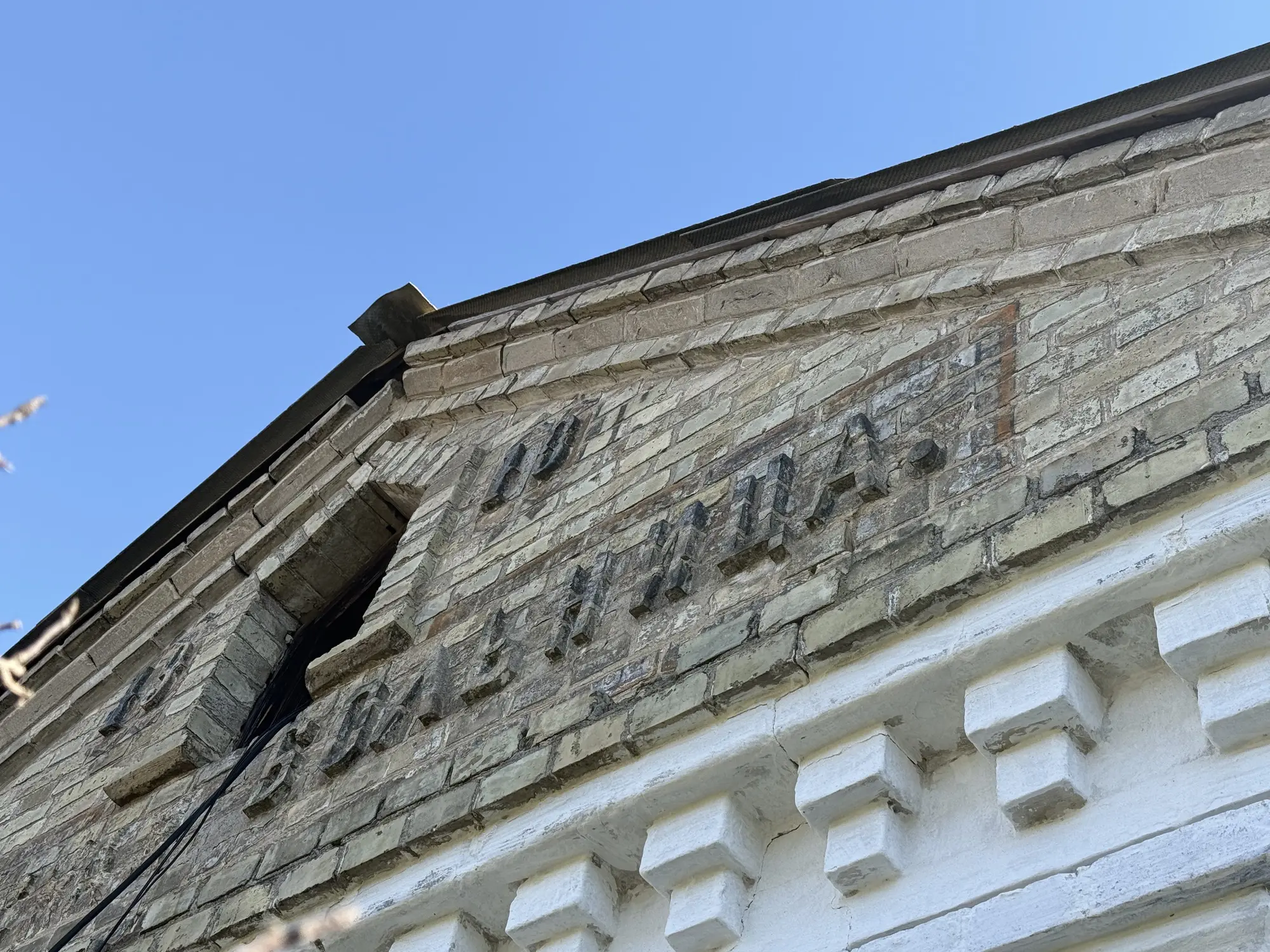
The building of the Jewish hospital, built in 1910, has survived to the present day. Traces of a historical inscription are still visible on the façade, including the word “Jewish”, damaged in Soviet times.
Archival documents also attest to the activity of a Jewish charitable society in Horodyshche in the early 20th century. In particular, a description of its report for 1909 has survived.
These institutions were part of the development of medicine and organised mutual aid in Horodyshche.
2.6
Surviving and lost places of Jewish life
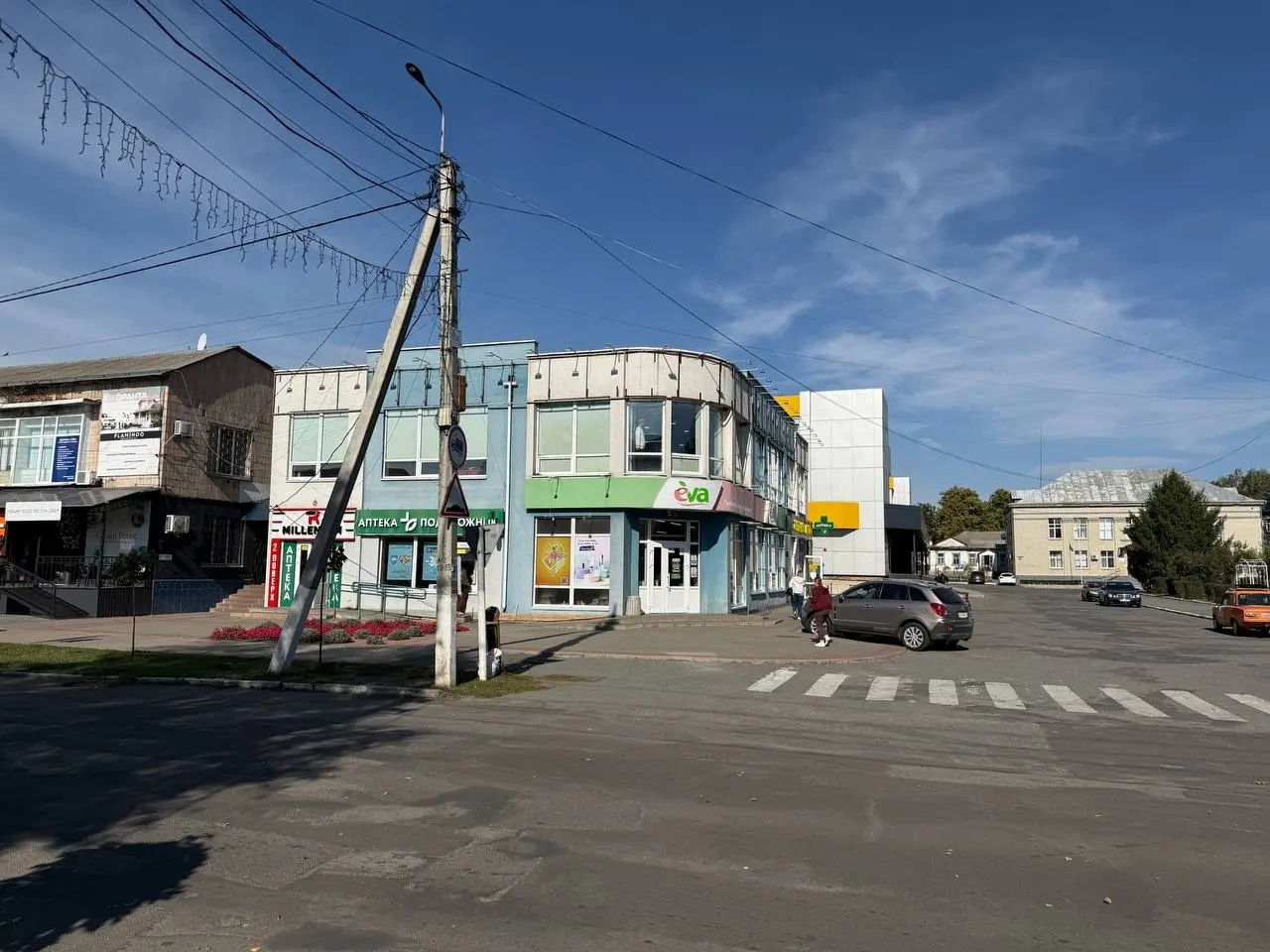
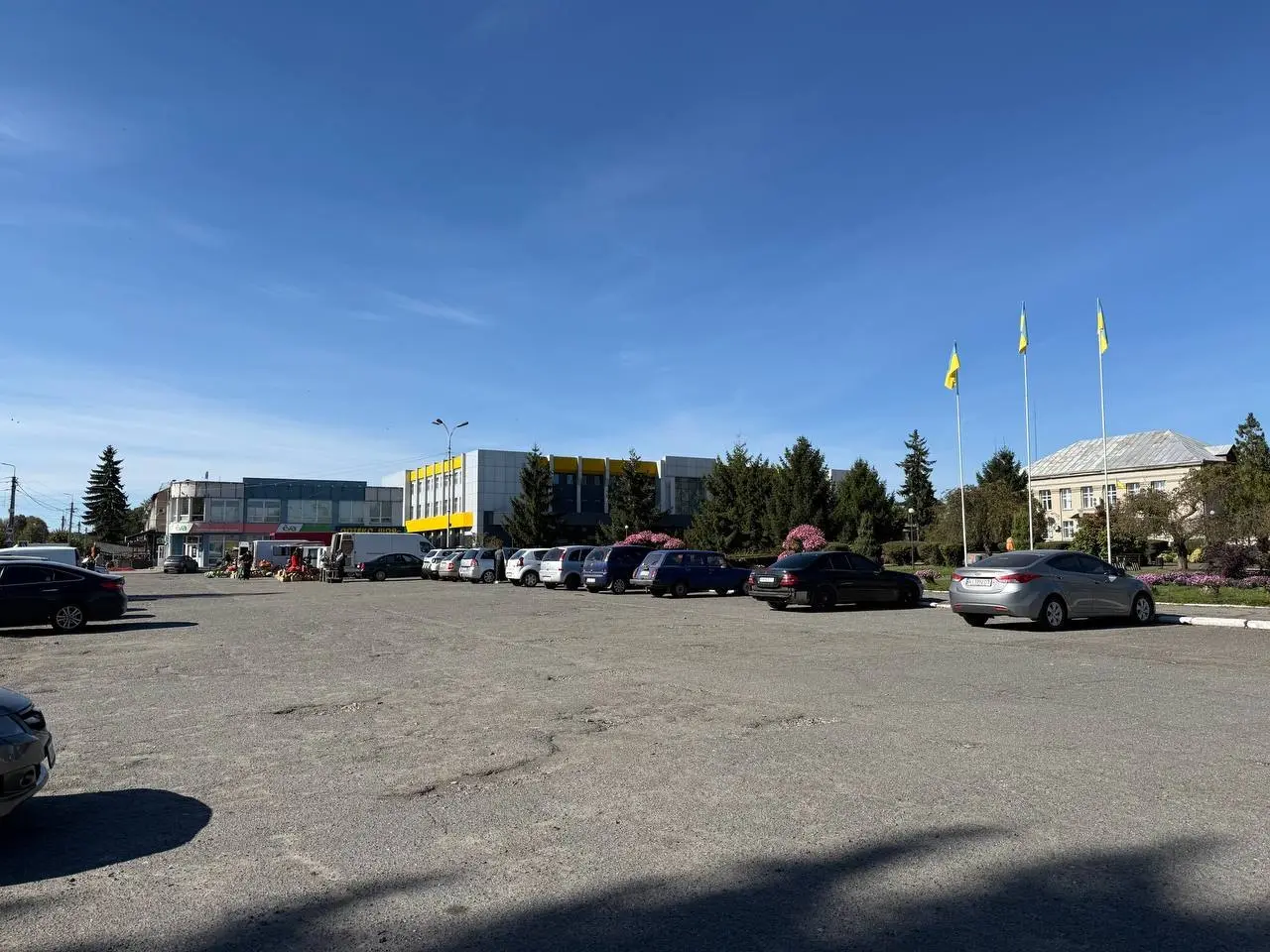
Before the large-scale rebuilding of the 20th century, the central part of Horodyshche looked entirely different. Along the main street, in particular on the site of present-day Peace Square and towards the bus station, stood the dwelling houses, shops and workshops of Jewish inhabitants. They were part of the town’s shared commercial and communal space.
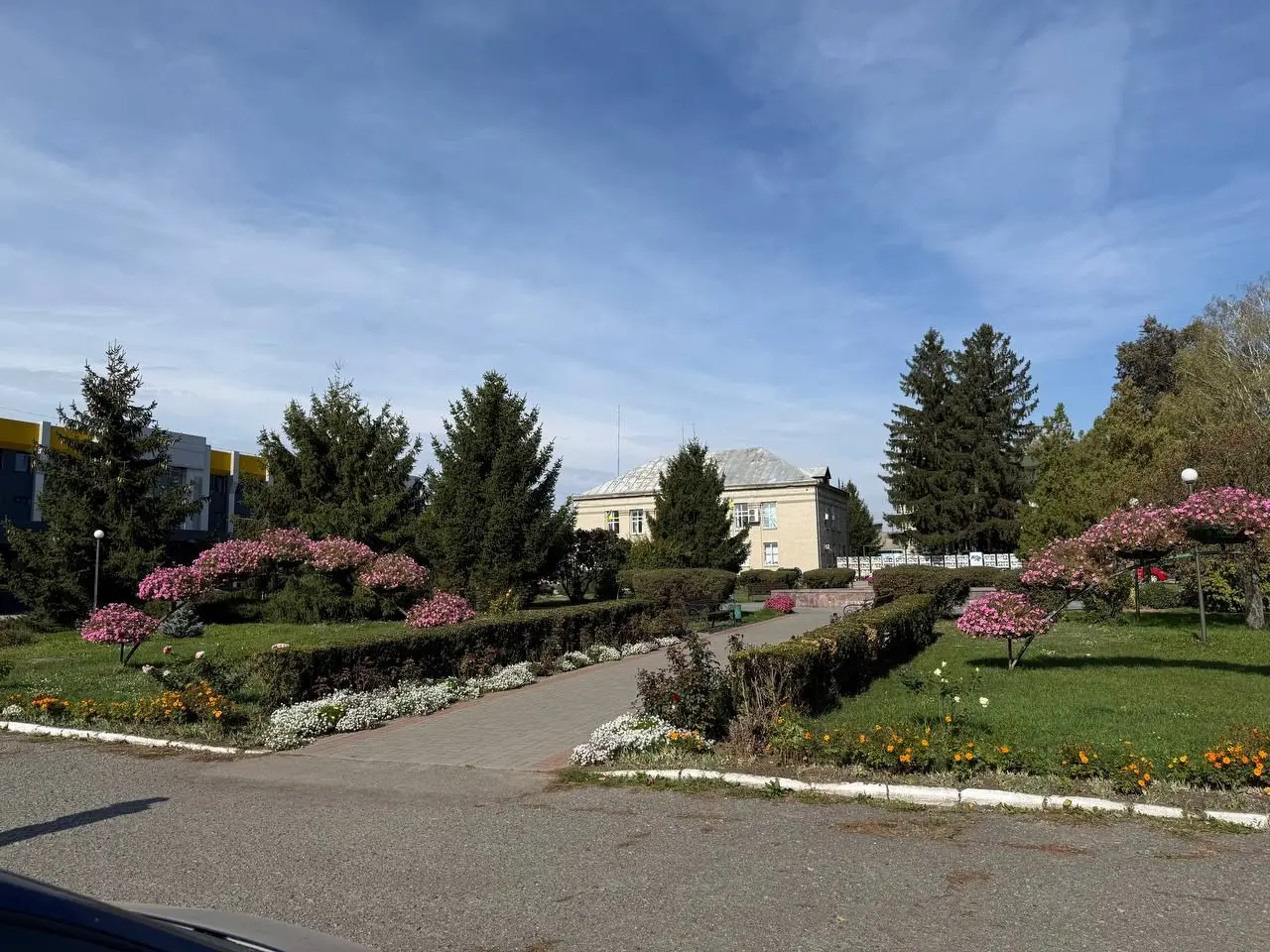
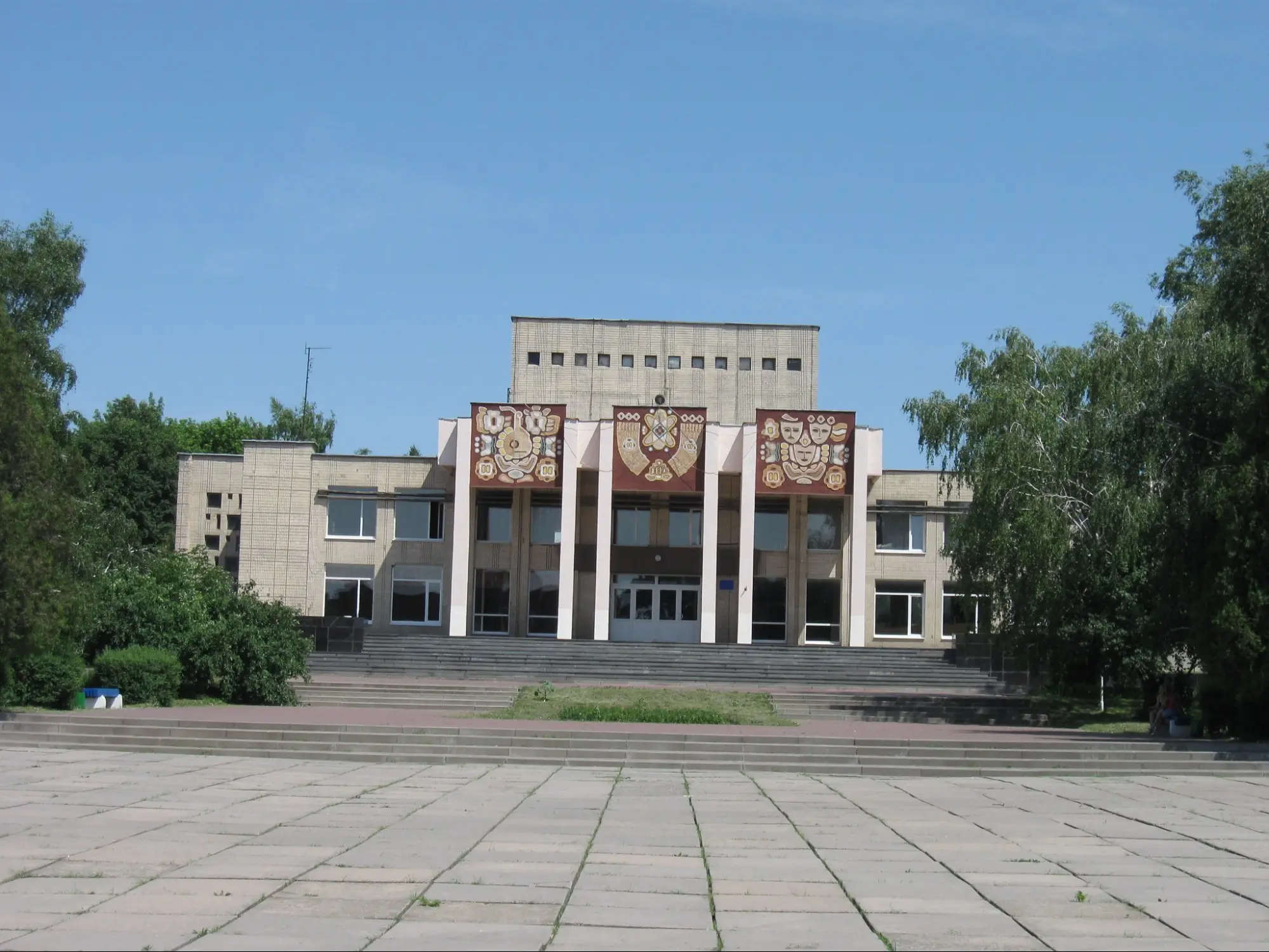
In 1968 a large-scale reconstruction of the centre of Horodyshche took place. The old trading rows, including the former Jewish shops and workshops, were demolished, Peace Square was laid out, new roads were built and administrative buildings were erected.
The local historian Volodymyr Chos notes in his book “Horodyshche, My Native Town” (2017) that during the Cold War the town was regarded as a reserve command centre for Cherkasy Oblast in case of emergency, in particular a war between the USSR and the USA.
As a result of the rebuilding, the historic centre of Horodyshche changed substantially, and a large part of the architectural heritage of the Jewish community was lost. Today the former trading rows are recalled by archival photographs and the memories of inhabitants.
The house of Isai Kurochka
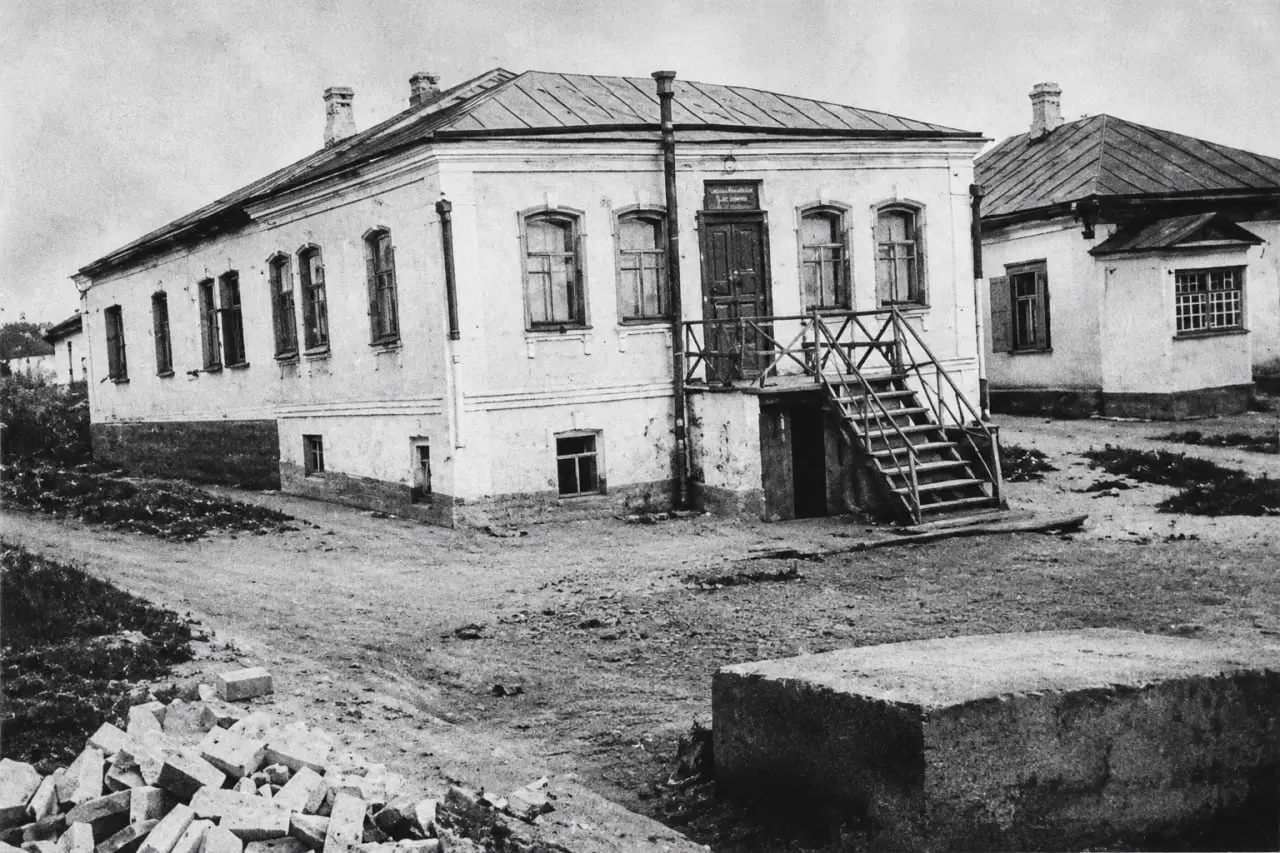
One of the surviving historic buildings of Horodyshche is known to townspeople as the Saltanov house. According to local history testimony, it was built by Isai Isaiovych Kurochka, a Jewish inhabitant of the town.
The house was intended for a large family. As the children grew up and started families of their own, it was gradually enlarged and extended.
Later Heorhii Saltanov, who married Isai Kurochka’s daughter Mariia, settled in the house. He was engaged in trade, had a wholesale warehouse and was well known in Horodyshche. Over time the house came to be called by his surname.
During the Second World War Isai Kurochka went missing. Some members of the family were evacuated and survived the war.
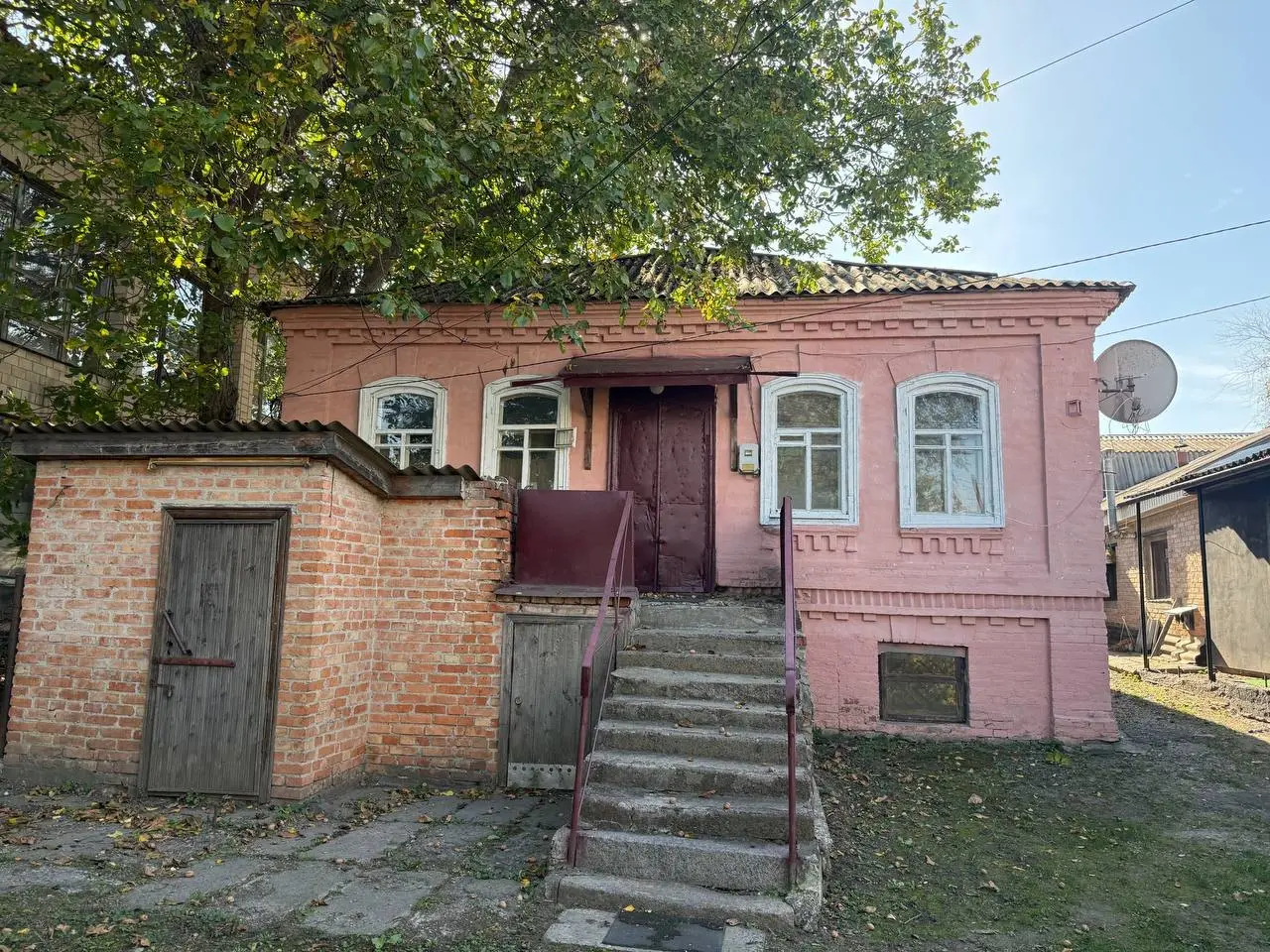
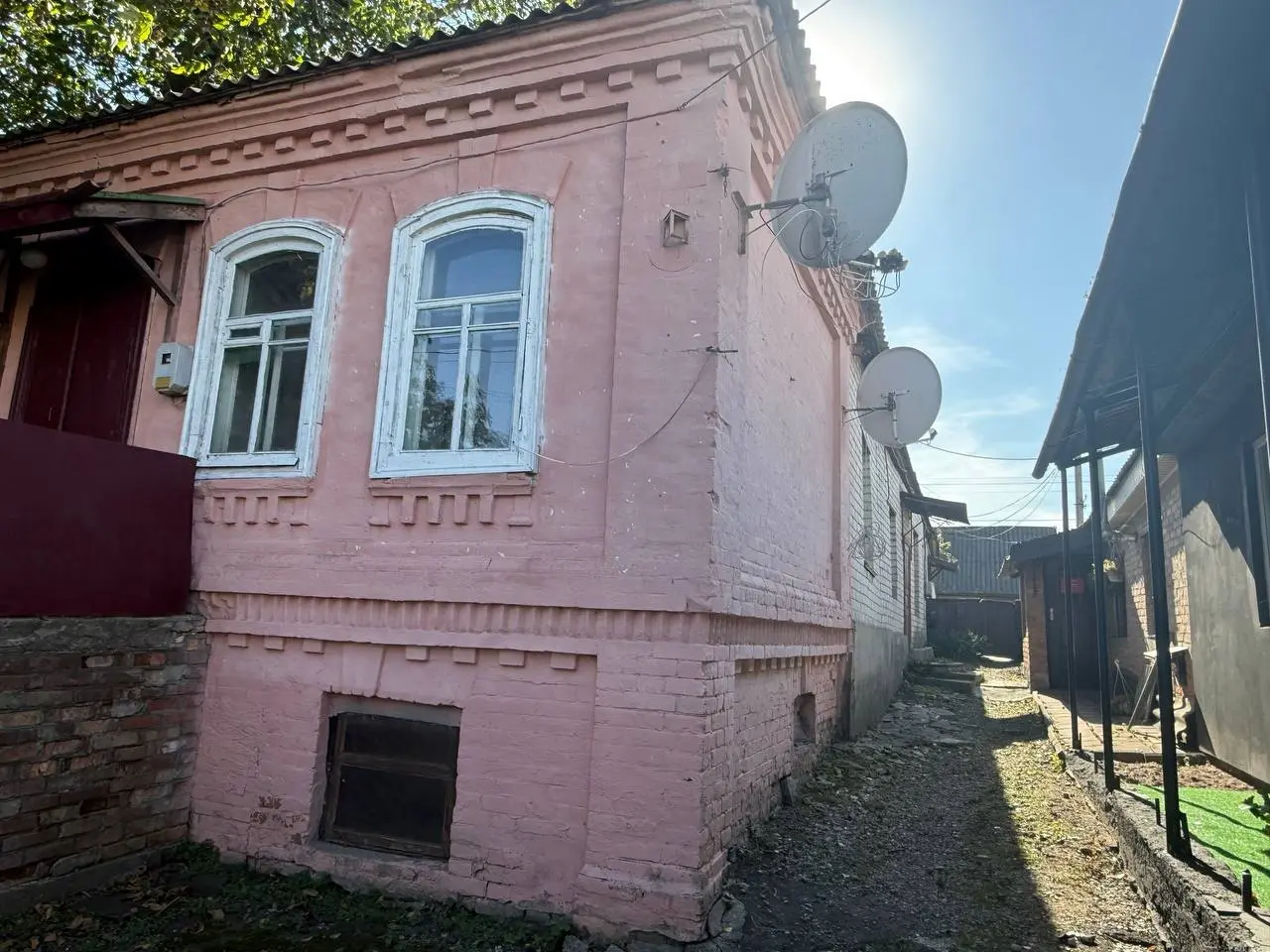
In the post-war period the building housed at various times a bakery, a sewing workshop and an art workshop. Later the house was returned to the descendants of the Kurochka family.
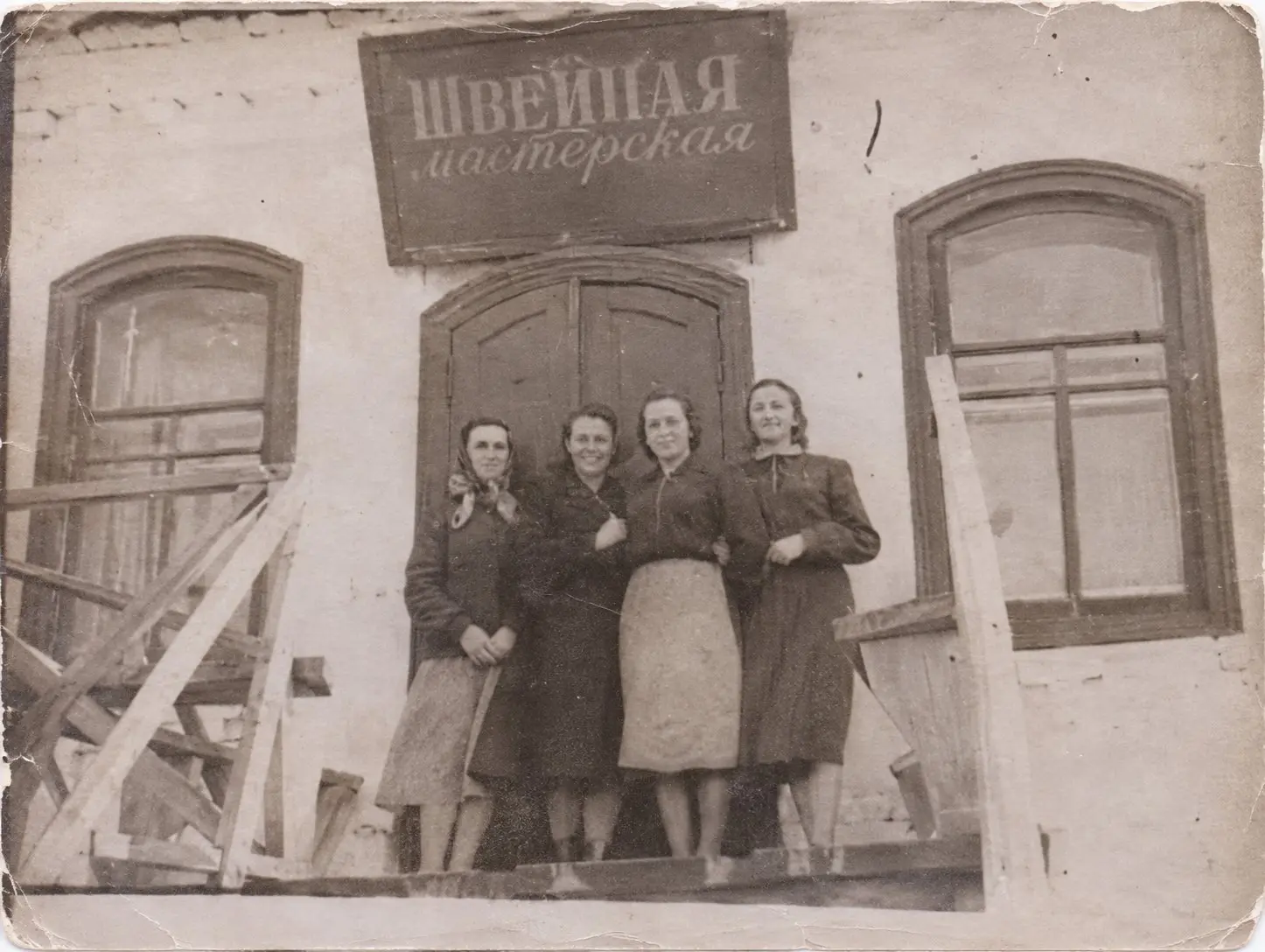
The building has survived to the present day and remains a testimony to the history of a Jewish family whose life was bound up with Horodyshche.
As told by Alla Viktorivna Sukhoruchenko, director of the Petro and Semen Hulak-Artemovsky Horodyshche Local History Museum. Recorded by Svitlana Liakhovets, 2026.
Other surviving houses in Horodyshche
“Several houses that once belonged to Jewish families have still survived in Horodyshche. They are located mainly along the former central trading street.
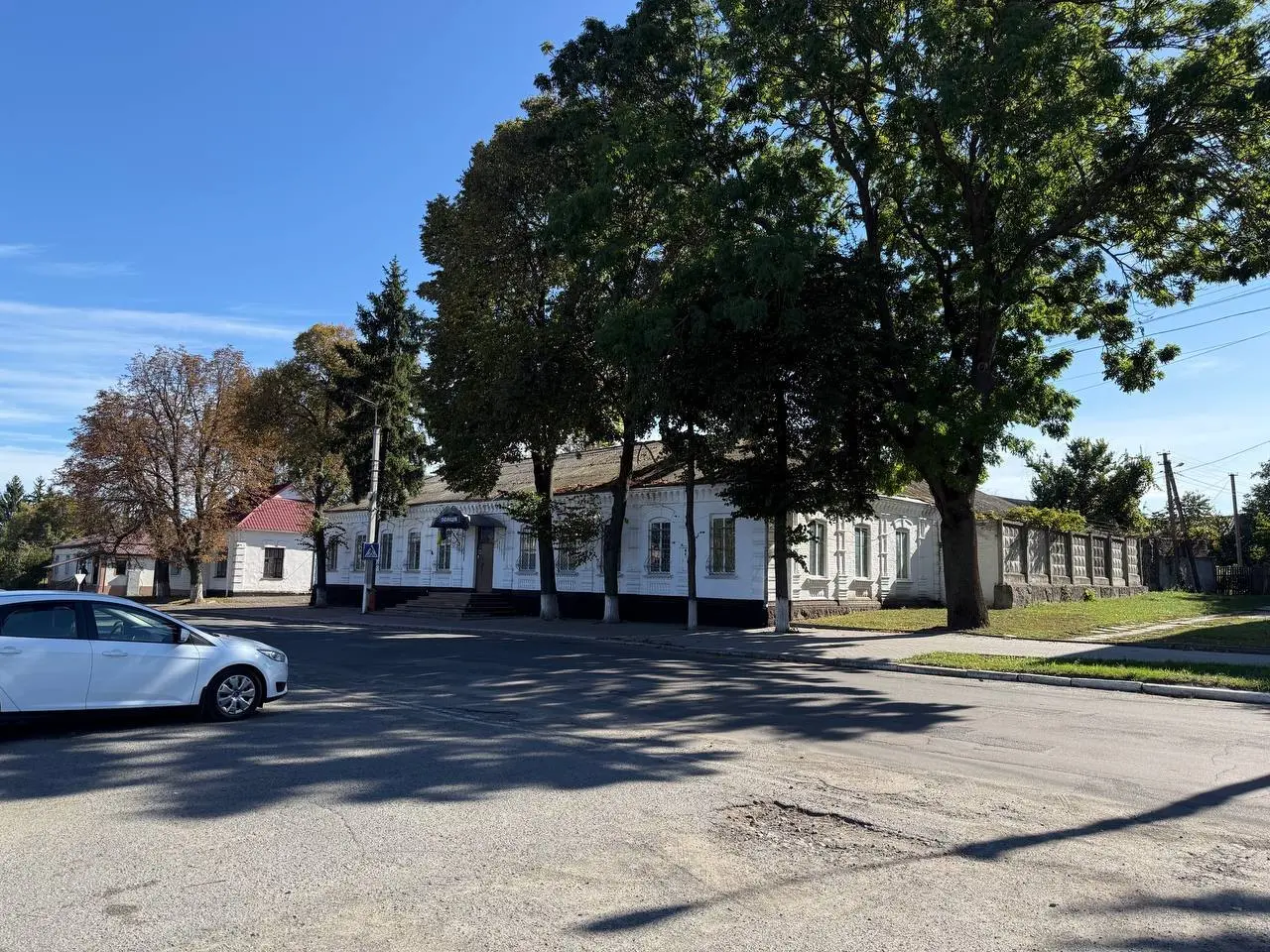
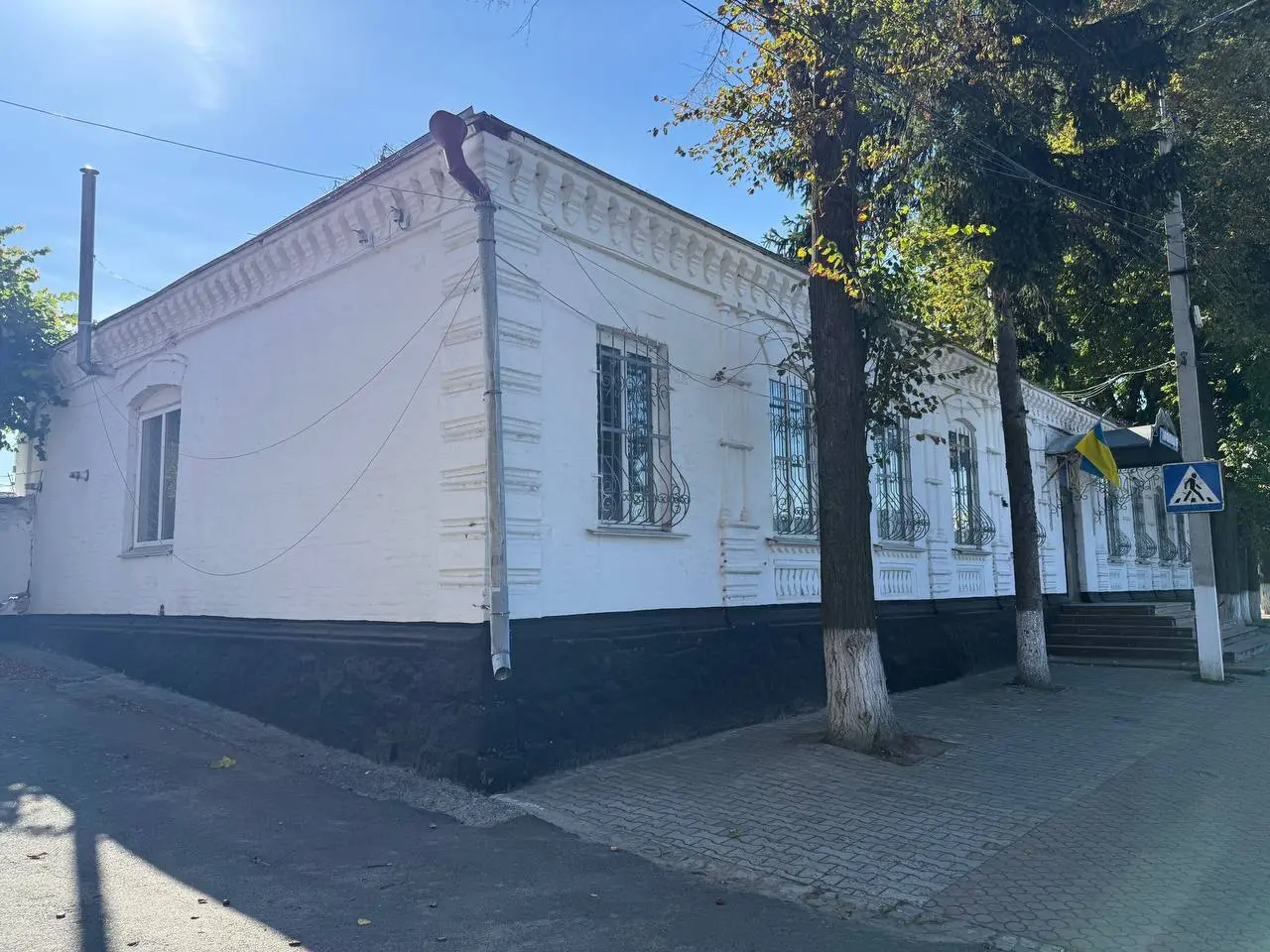
For example, near the present-day police station there is an old house which, according to local memories, also belonged to a Jewish family. Unfortunately, it has not yet been possible to establish who exactly its owner was. These buildings are part of the history of Horodyshche, a memory of the people who lived and worked here.”
Alla Sukhoruchenko, director of the Petro and Semen Hulak-Artemovsky Horodyshche Local History Museum. Recorded by Svitlana Liakhovets, 2026. Translated from Ukrainian.
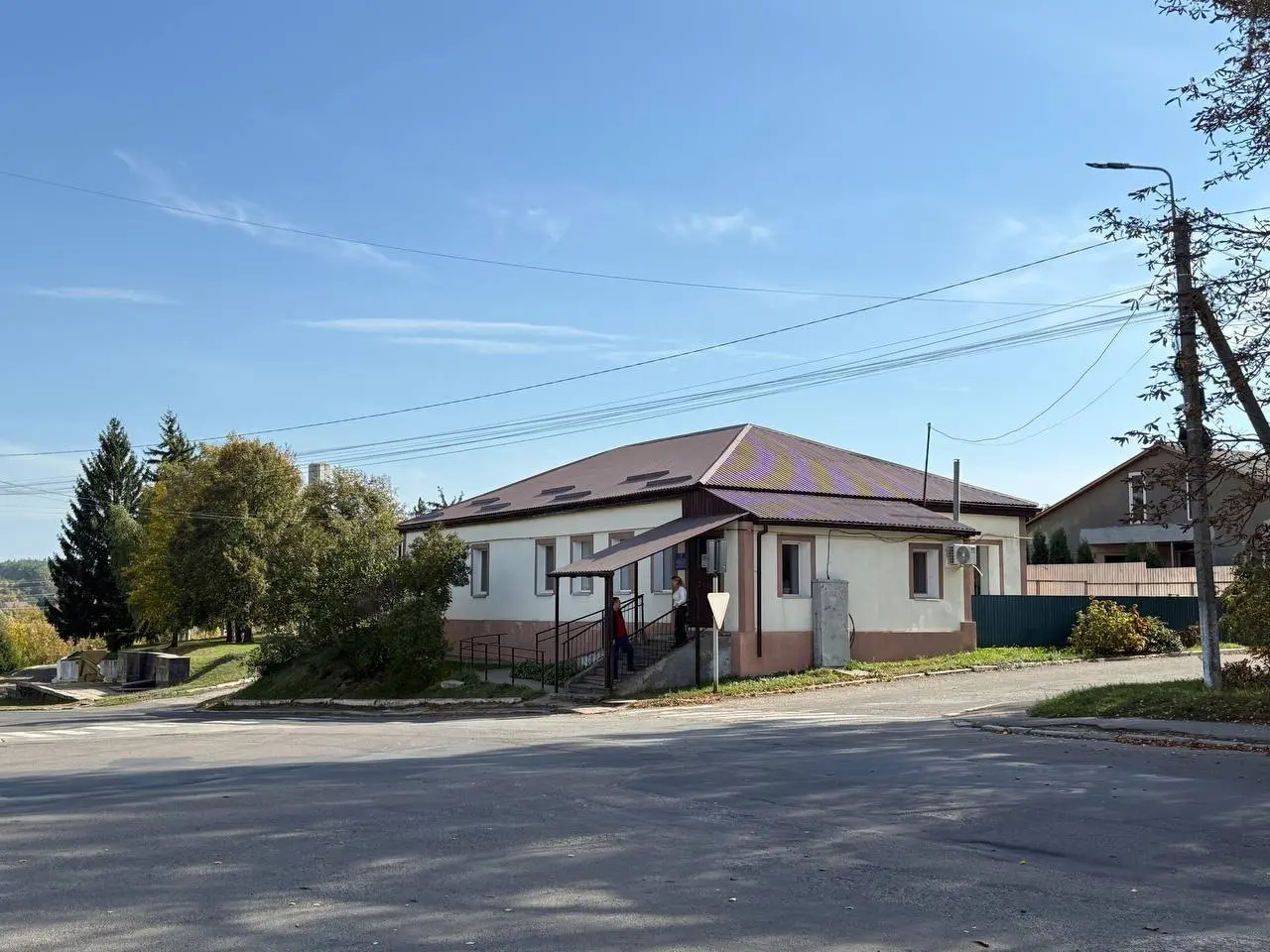
These houses are part of the architectural and family history of Horodyshche. Further research on them may help to establish the names of their owners, the former purpose of the premises and their connection with the life of the Jewish community.
2.7
Archival records of the Jewish community
The State Archive of Cherkasy Oblast holds 19th-century documents of the Jewish community of Horodyshche. According to the research of the local historian Mykola Shcherbyna, 12 archival files from 1846–1862 are known. Among the materials of this period are metrical books with records of births, marriages and other events of family life, as well as documents connected with communal and tax matters.
These sources make it possible to study the history of the Jewish population of Horodyshche through specific documents that have survived to our time.
2.8
The Jewish cemetery
The Jewish cemetery of Horodyshche is located near the present-day bus station. It is one of the most important places of memory of the generations of Jewish inhabitants of the town.
Before the Second World War the cemetery occupied a larger area. In the post-war period a large part of the old cemetery was destroyed. A bus station, a petrol station and a road were placed on part of its former territory.
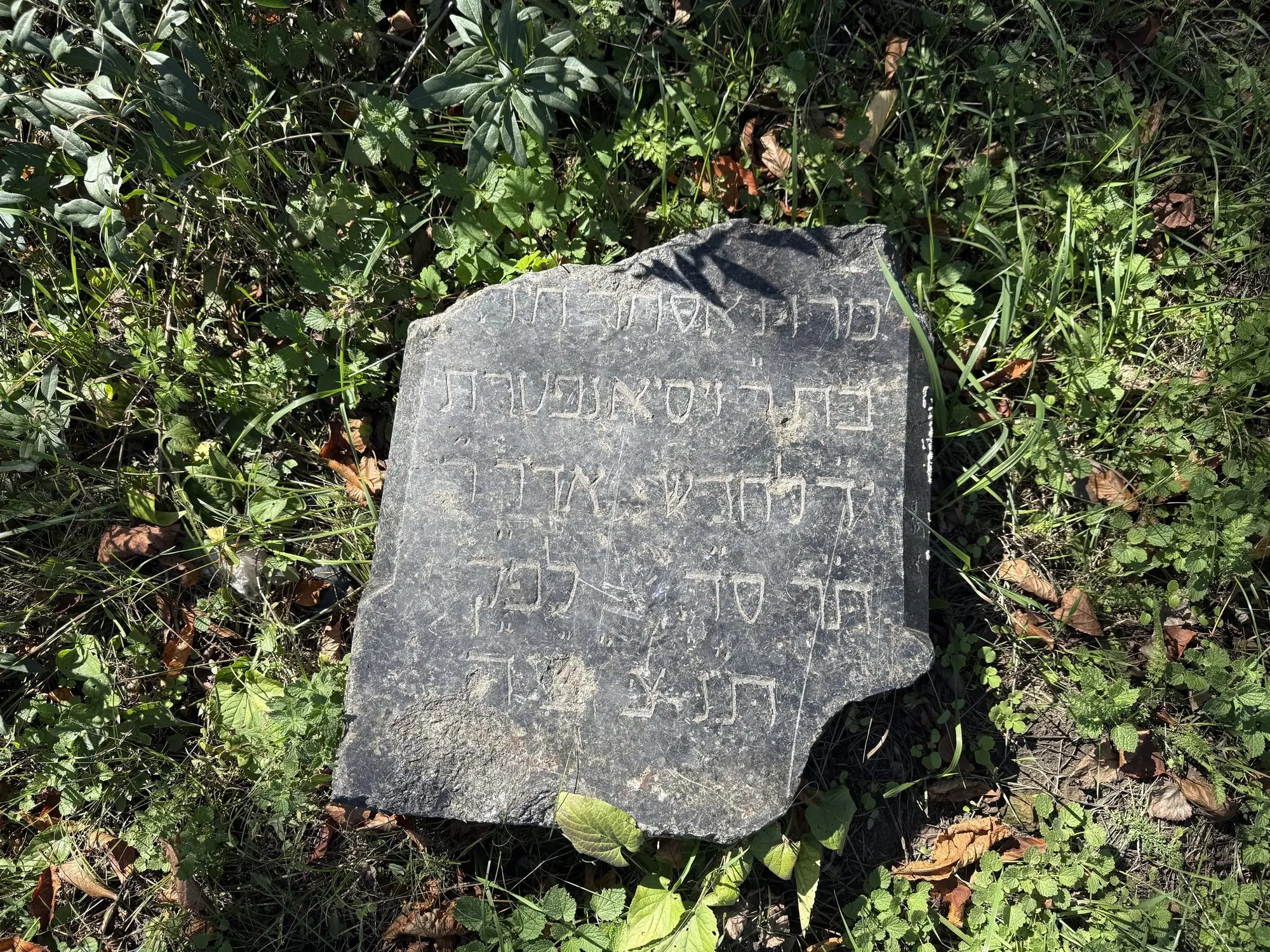
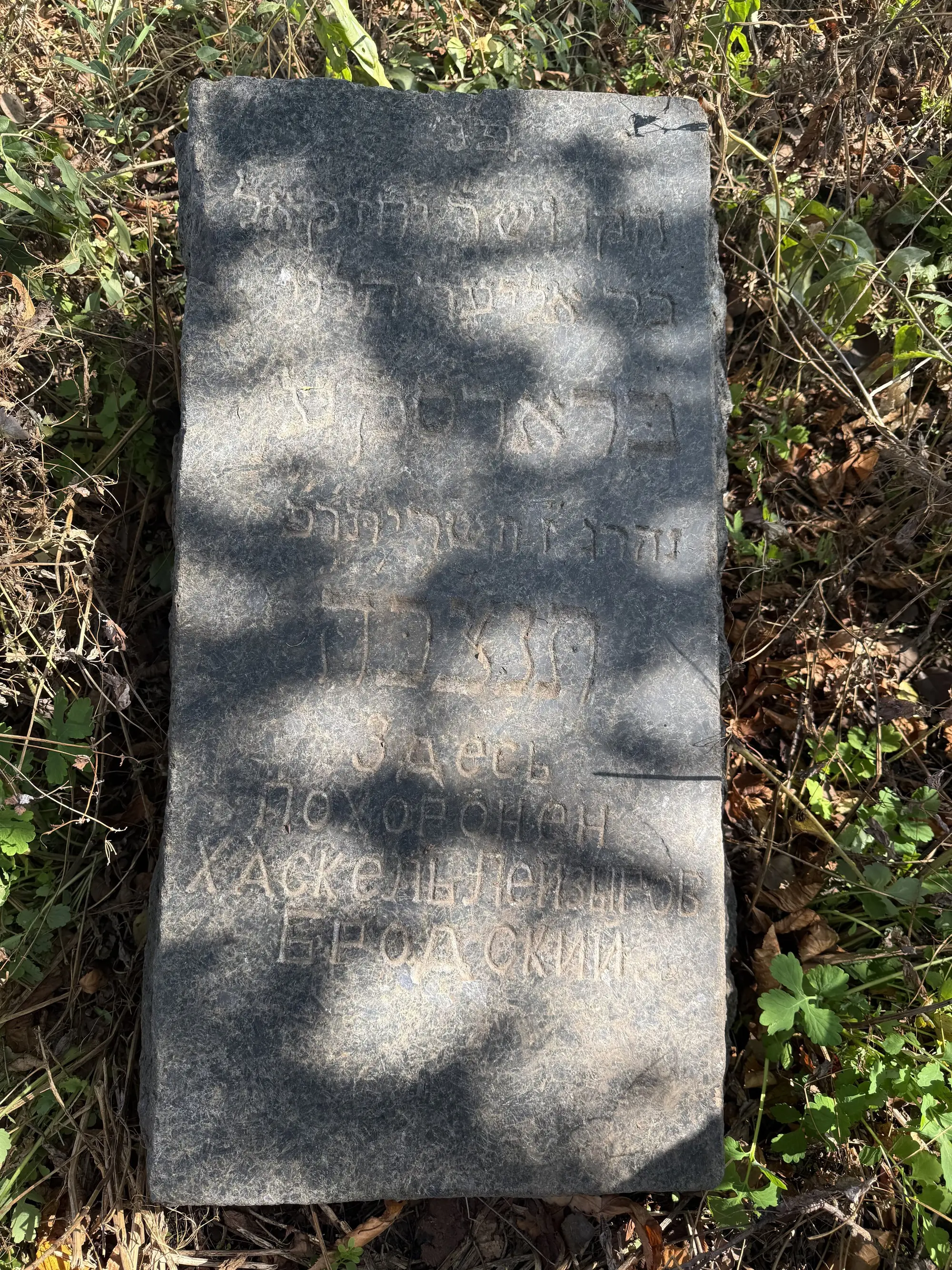
Several dozen gravestones remain on the surviving part of the cemetery.
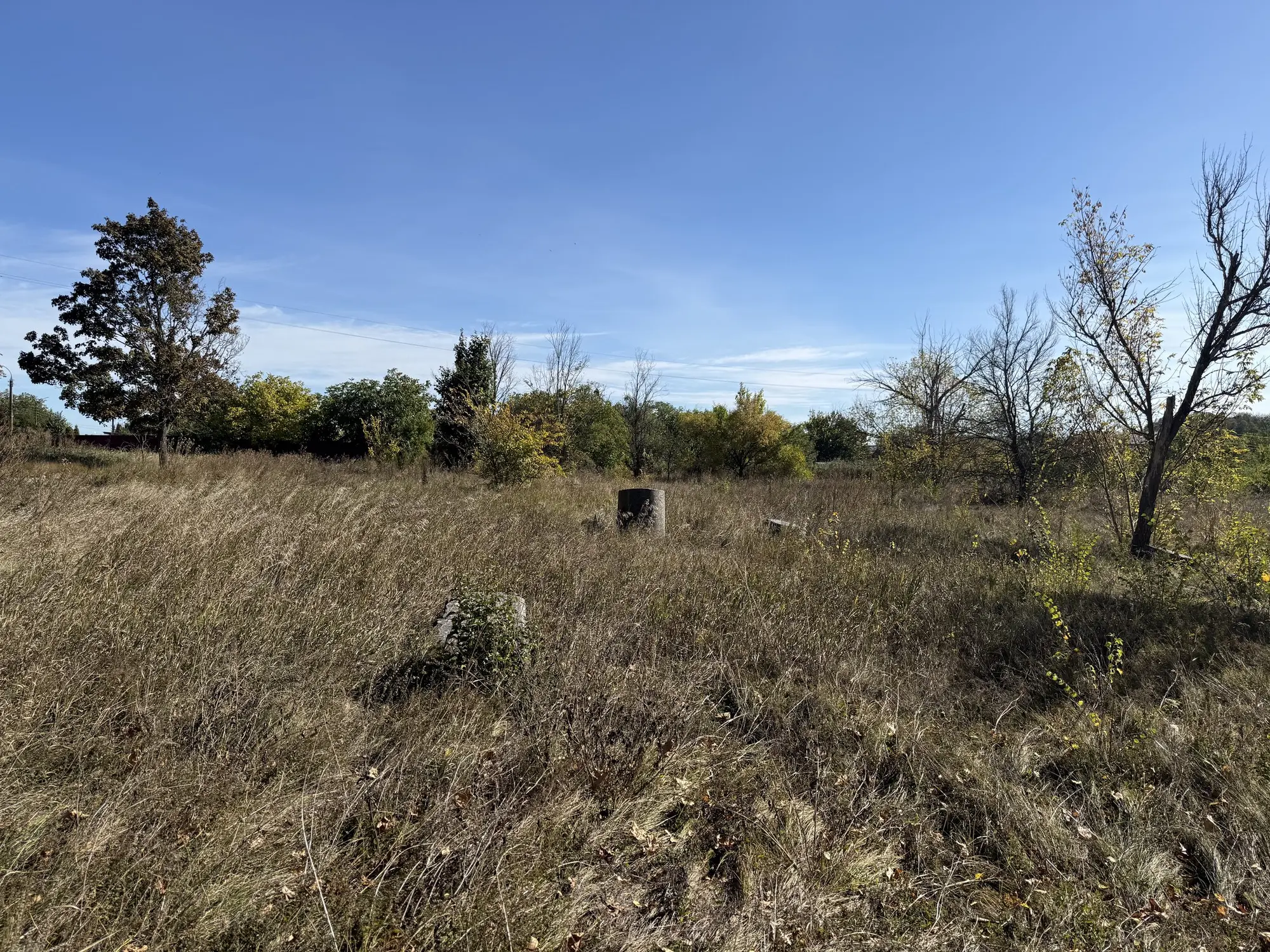
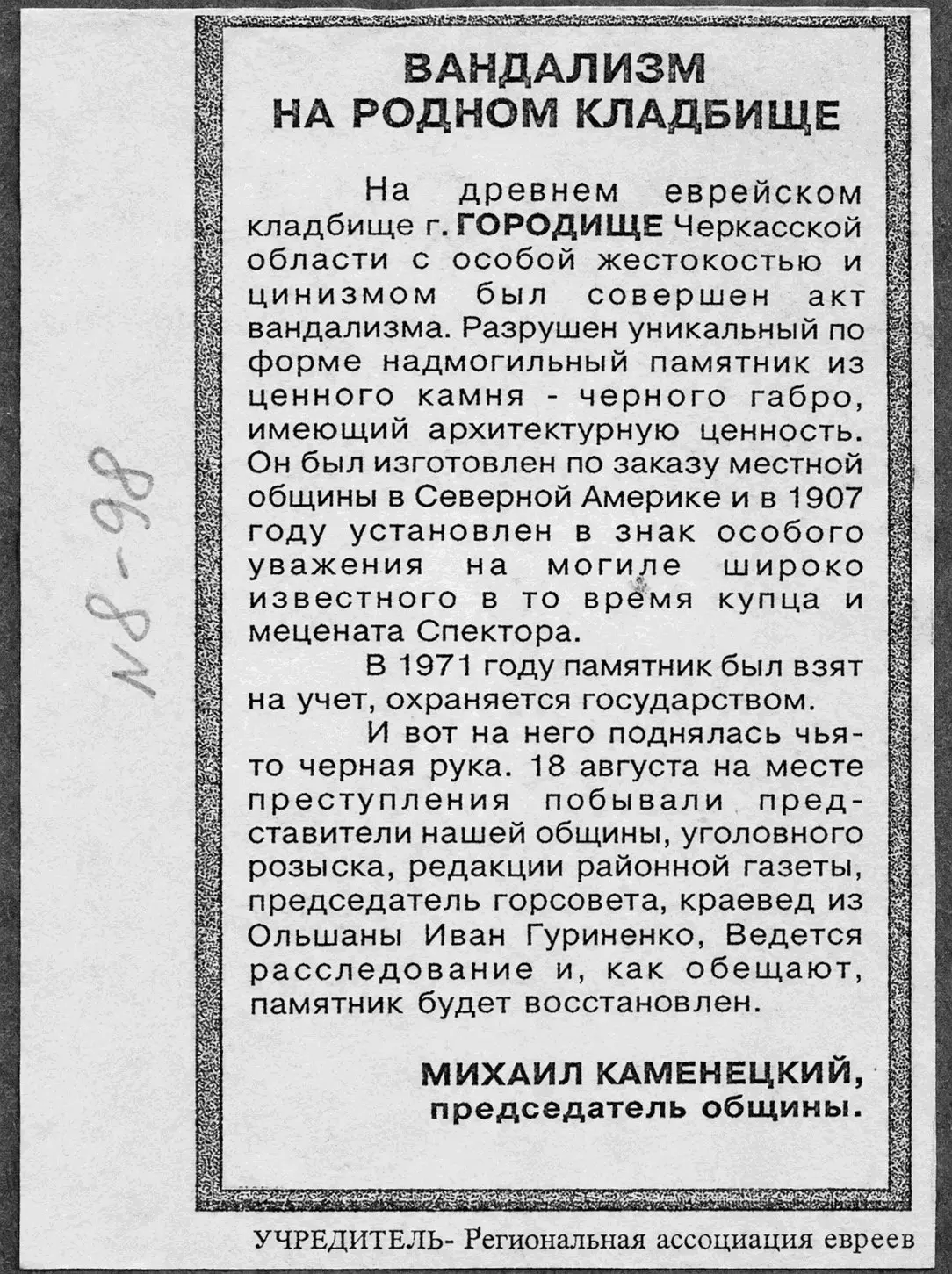
A separate report on the condition of the old Jewish cemetery has survived in a newspaper publication, “Vandalism at Our Native Cemetery”, signed by Mykhailo Kamenetsky as head of the community. According to the text of the newspaper clipping, a gravestone of black gabbro was erected in 1907 on the grave of the merchant and patron Spektor. The order, as the publication states, was carried out in North America. In 1971 the monument was placed on the state register. The publication reports its destruction as a result of vandalism and the opening of an investigation.
The inscriptions on the matzevot, traditional Jewish gravestones, contain the names of the buried, family relationships, dates of death, religious formulas and epitaphs.
The surnames recorded in research include Furman, Shternberg, Arkhanhorodsky, Brodsky and others.
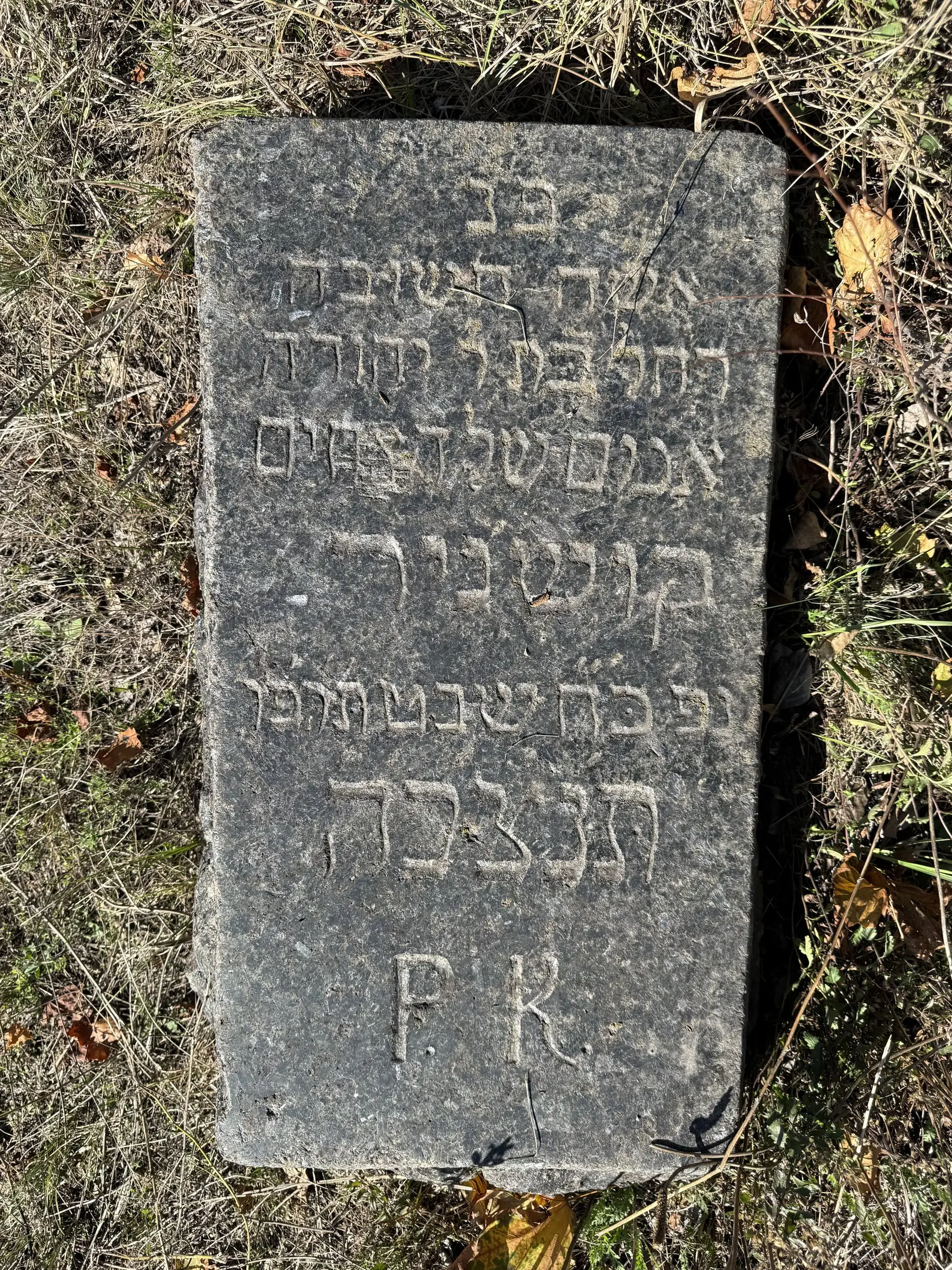
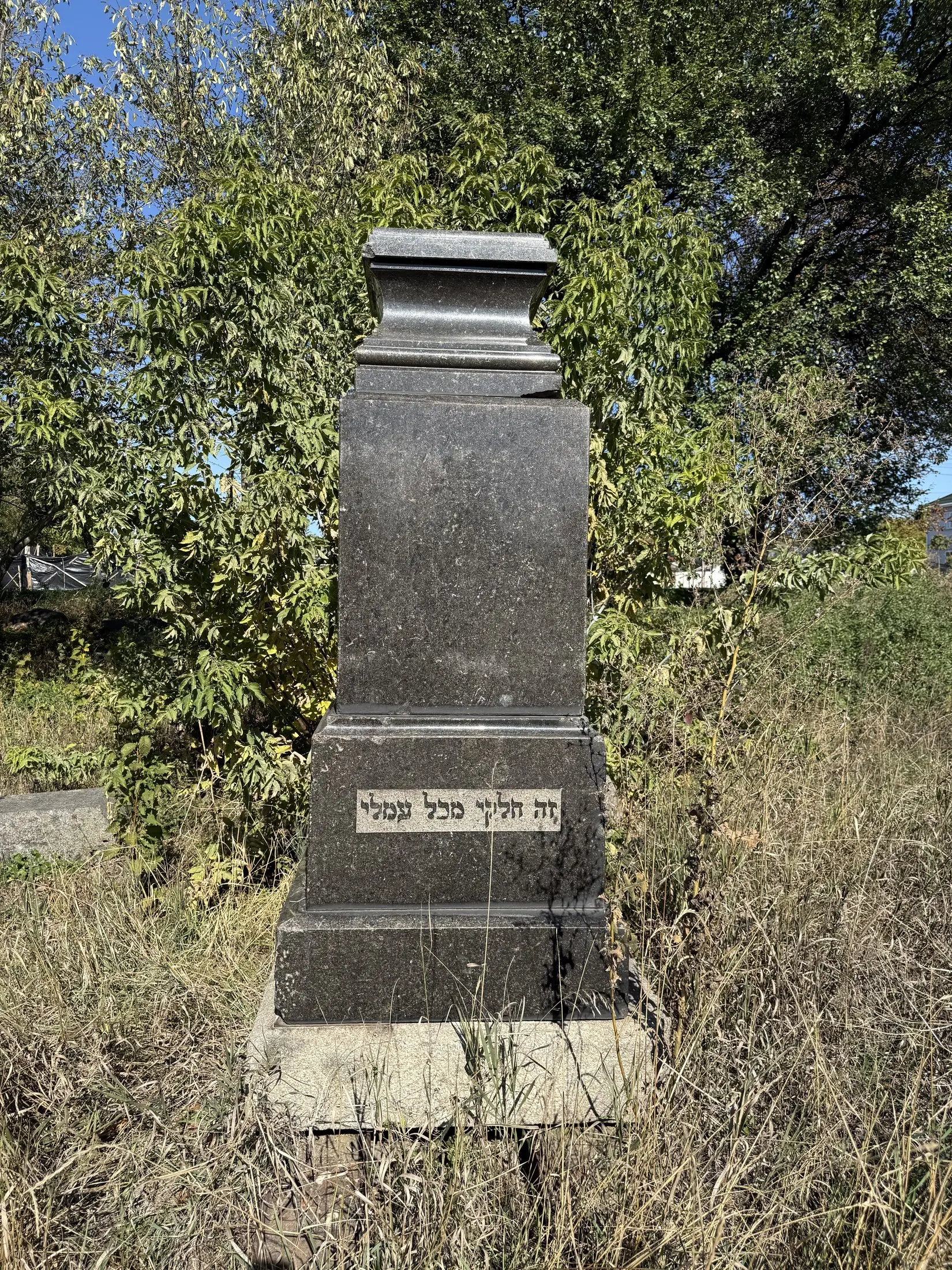
These gravestones are valuable sources for the study of the family and social history of the Jewish community of Horodyshche.
According to materials from Ukraine Jewish Heritage, in 2009 a memorial marker to the victims of the Holocaust was erected on the surviving part of the old cemetery.
The cemetery preserves the memory not only of individual people but also of an entire community that was part of the town for many generations.